
How to Use a Trading Journal to Improve Execution
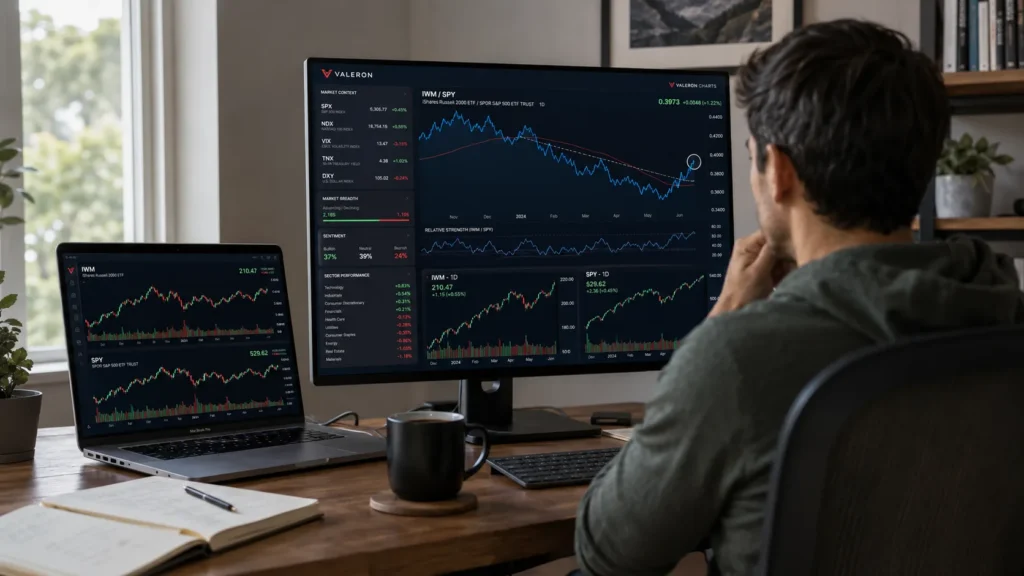
How to Use a Trading Journal to Improve Execution explains how traders can use tools, data, dashboards, risk controls, and process to make cleaner market decisions.
How to Analyze Stocks Like a Trader, Not a Fanboy

Analyze stocks like a trader by separating admiration from execution, using macro context, sector strength, structure, volume, and risk.
Daily Drawdown Rules Explained in Simple Terms
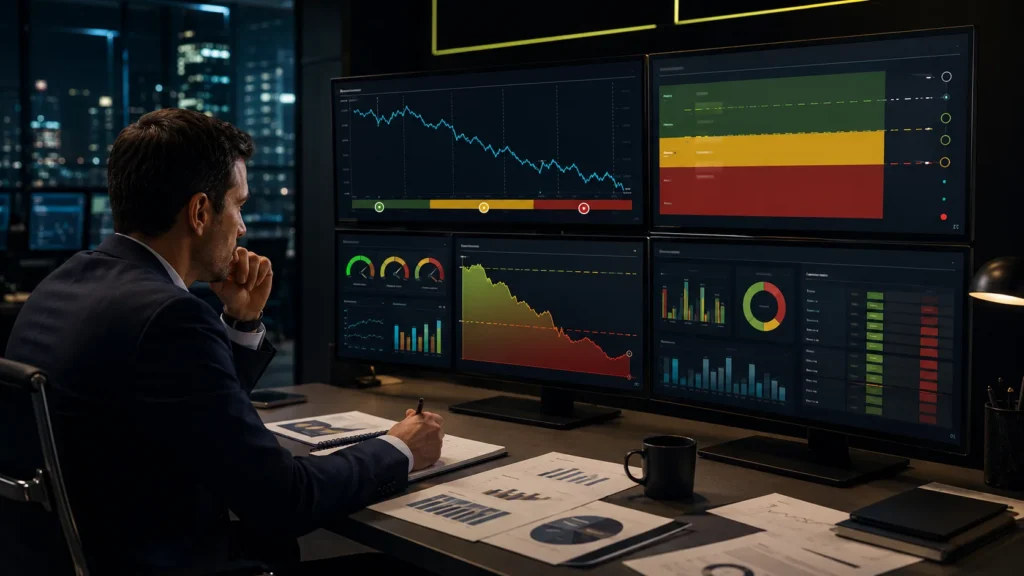
Daily drawdown rules protect funded accounts from one bad day, so traders must understand daily loss limits before entering trades.
How to Trade a Prop Firm Account Without Gambling

Trade a funded account without gambling by using small risk, daily stops, clear setups, and a business-first execution plan.
The Difference Between Passing a Challenge and Staying Funded

Staying funded requires more than passing a challenge because long-term payouts depend on consistency, discipline, and risk control.
Why Quantitative Data Beats Narrative in Market Analysis

Quantitative data beats narrative because market stories are emotional, late, and biased, while data creates a more objective decision process.
Why Trading Alone Will Not Make You Wealthy Without Discipline

Trading discipline matters because trading alone will not build wealth if the trader lacks risk control, routine, and capital structure.
How to Build a Trading Routine That Actually Improves Results

A trading routine improves results by creating structure around preparation, watchlists, execution, journaling, and risk control.
How to Think Like a Market Operator, Not a Retail Gambler

A market operator thinks in process, capital flow, risk, and execution, not emotional action or retail gambling behavior.
The Brutal Truth About Overtrading and Emotional Execution

Overtrading and emotional execution damage accounts by turning impatience, revenge, and weak discipline into repeated mistakes.