
Trade the Process, Not the Noise.
Valeron Markets provides trading research, market analysis, and practical education for traders who want to understand what moves markets and make better decisions.
Featured Research & Guides
Start with our selected market research, trading guides, and educational resources covering the concepts we consider most important for building a structured trading process.
Latest Market Insights
Explore our newest research, market analysis, trading strategies, and educational articles. We regularly cover developments across equities, FX, commodities, macroeconomics, and systematic trading.
Macro & Market Intelligence
Understand the forces behind price action. Our macro research covers economic data, interest rates, liquidity, credit conditions, volatility, risk appetite, and market regimes — with a focus on what they mean for traders.
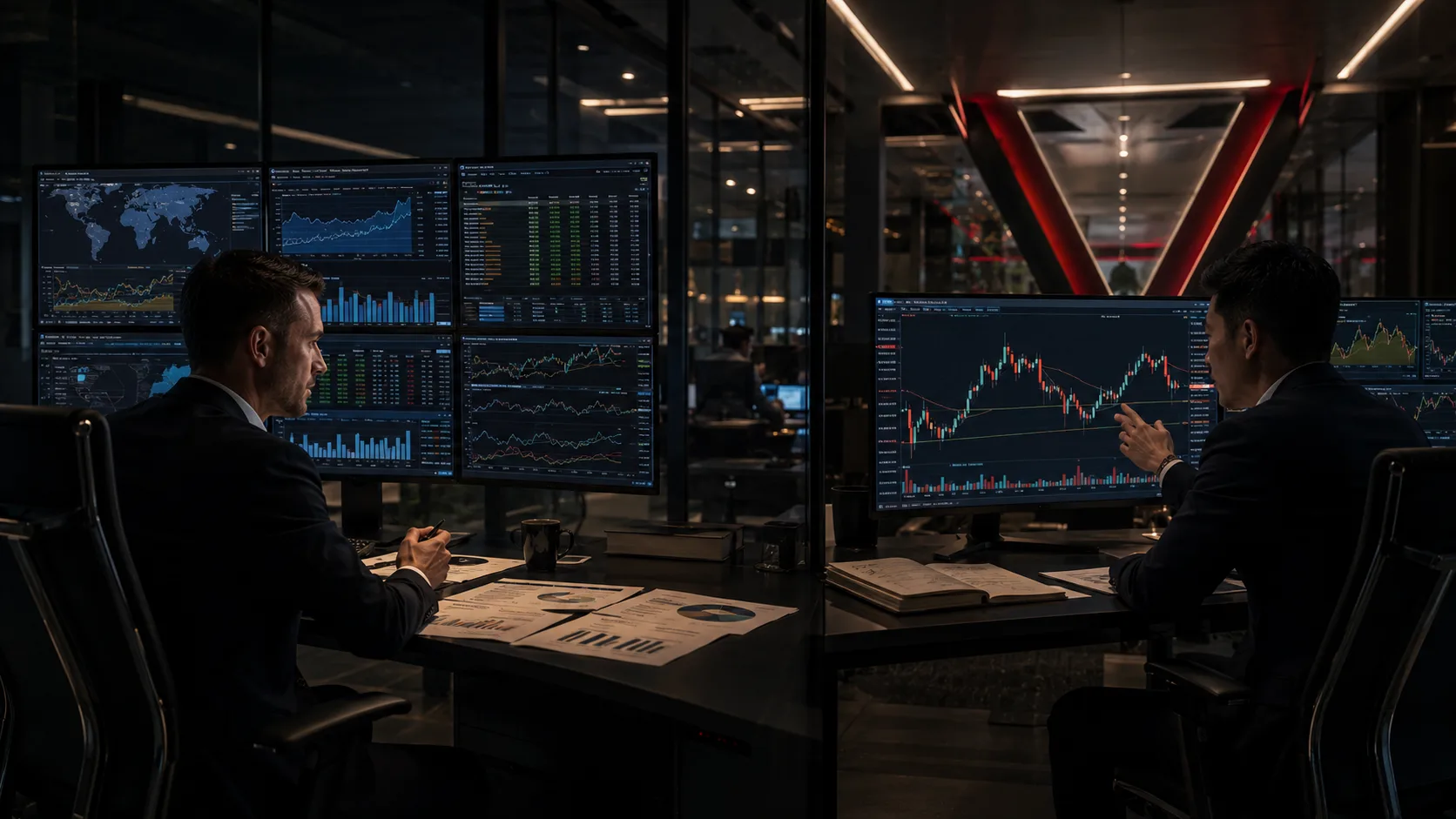
The Difference Between Technical and Macro Forex Trading
Technical and macro forex trading are different layers of one process: macro creates bias while technical analysis defines execution.
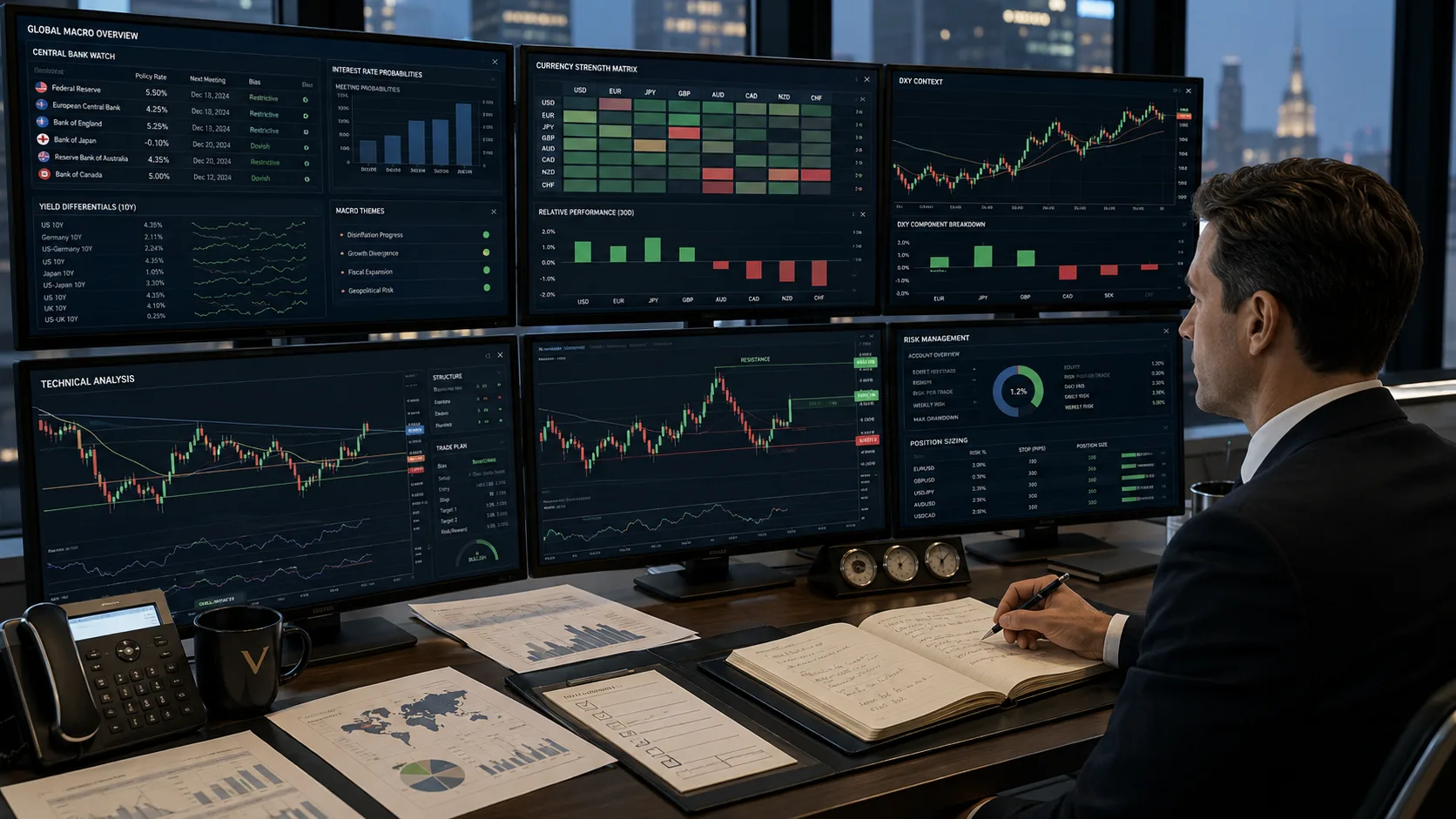
The Valeron Approach to Forex: Macro Bias, Technical Execution
The Valeron approach to forex starts with macro bias, filters currency strength, waits for technical execution, and protects capital through risk control.
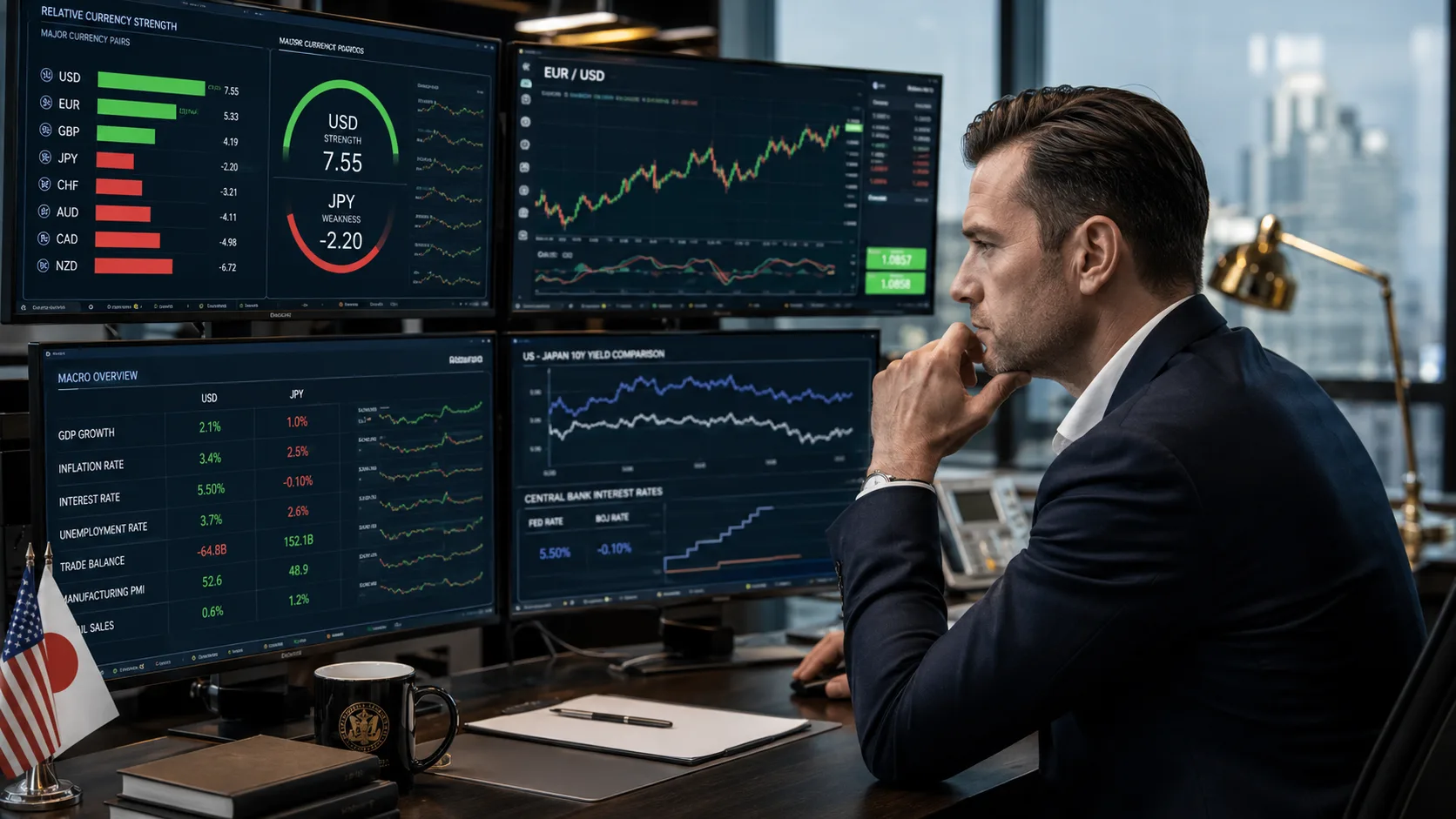
What Makes a Forex Pair Strong or Weak?
A forex pair strong or weak reading depends on relative currency strength, rates, macro conditions, risk appetite, and technical structure.
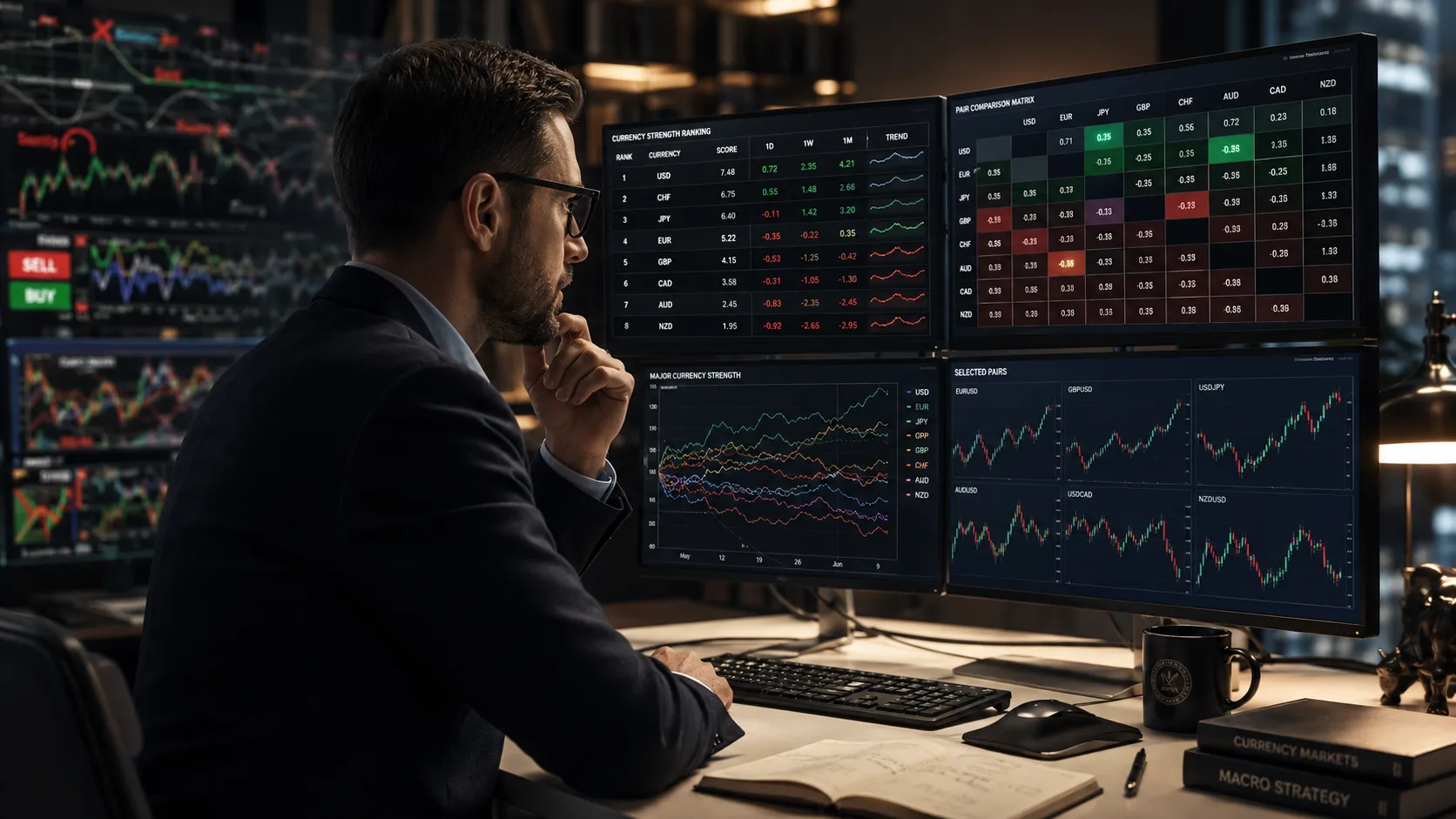
Why Currency Strength Is More Important Than Random Signals
Currency strength matters more than random signals because forex trading is relative and clean opportunities come from strong versus weak currencies.

Why Interest Rates Matter So Much in Forex
Interest rates in forex matter because currency values respond to yield expectations, central-bank policy, inflation pressure, and capital flow.
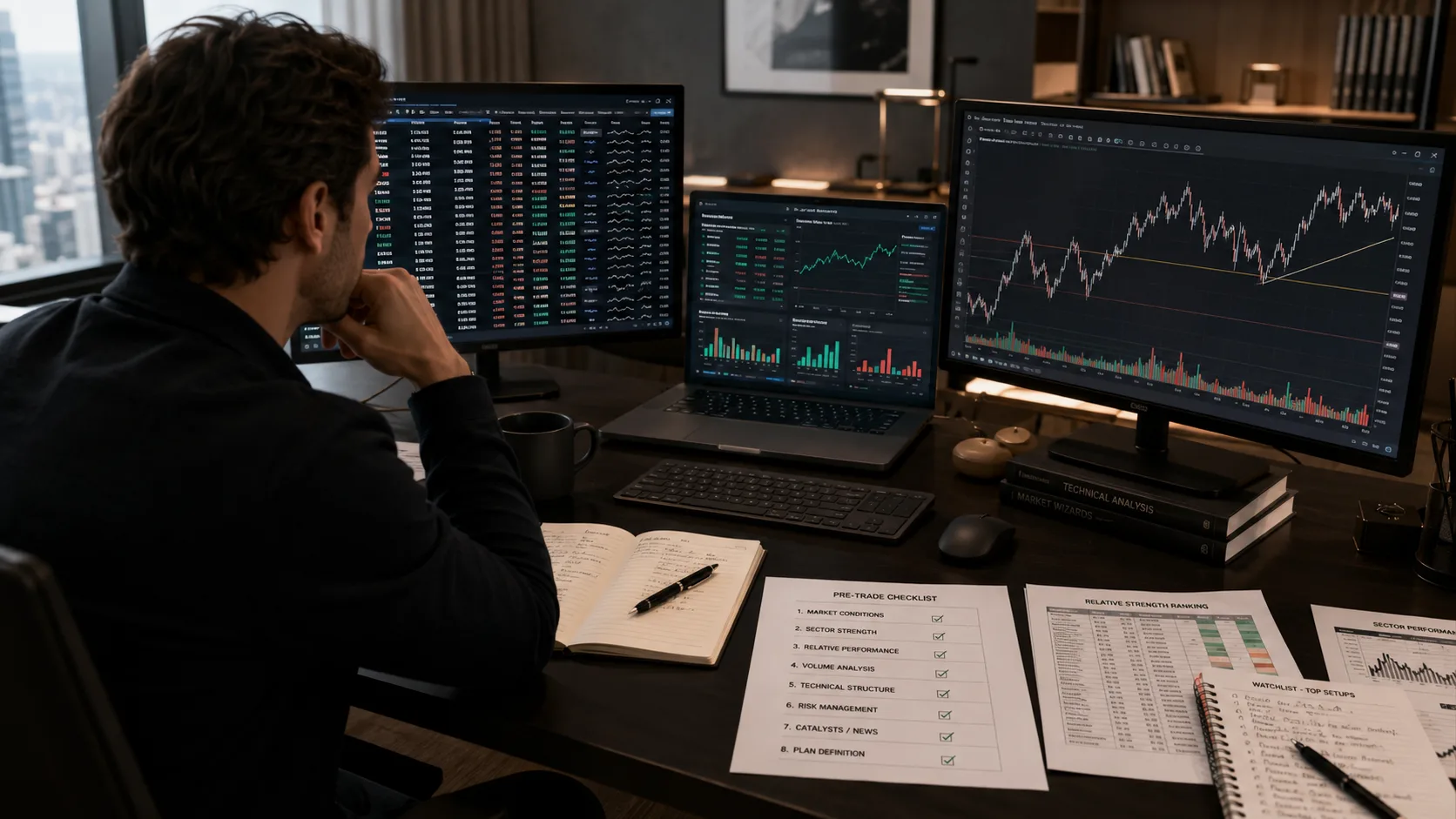
How Valeron Filters Stocks Before Looking for Entries
Valeron filters stocks before entries by using macro context, sector strength, relative performance, fundamentals, technical structure, and risk.
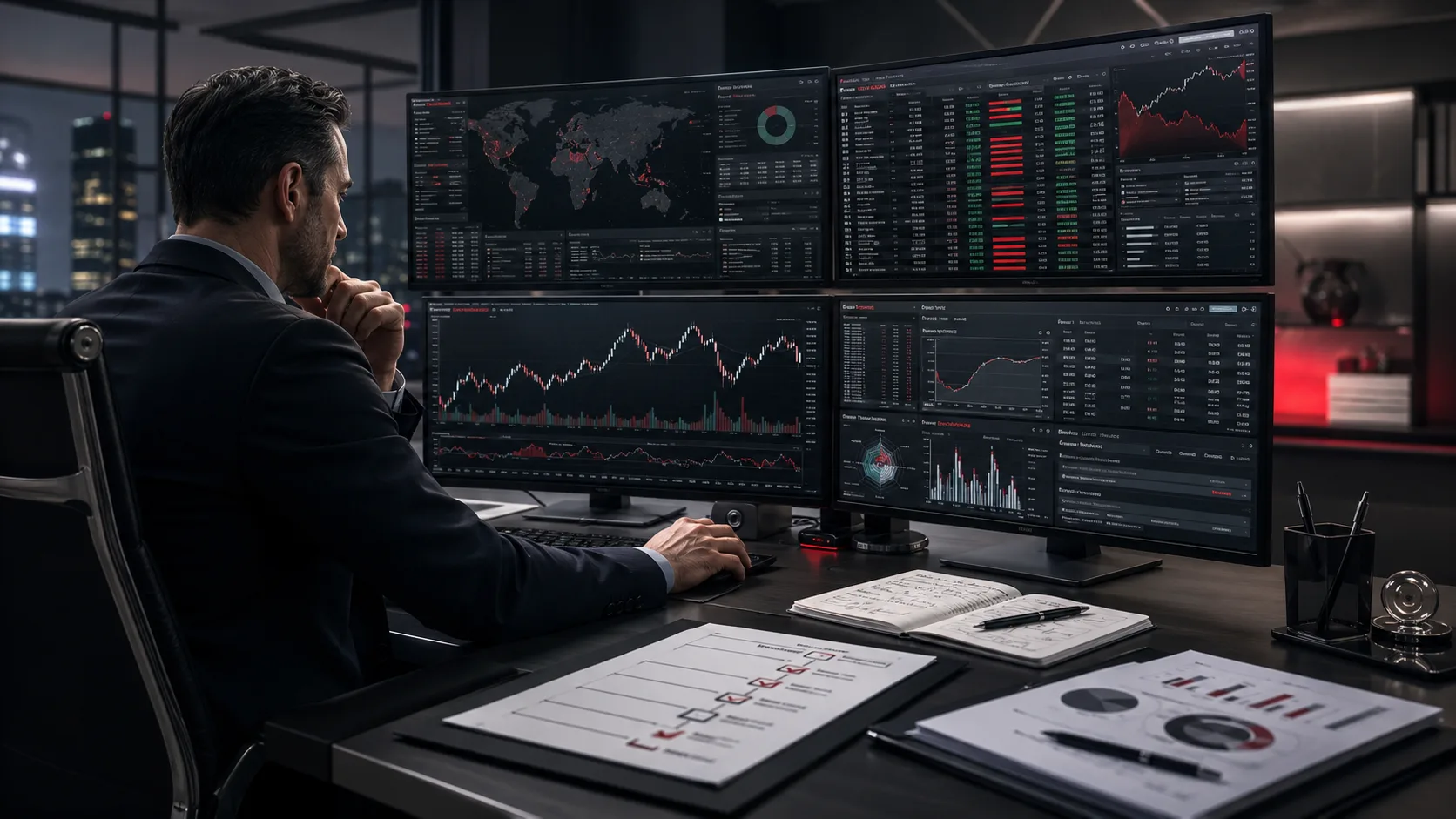
How Valeron Markets Turns Data Into Trading Decisions
Valeron Markets turns data into trading decisions by converting macro, sector, technical, and risk signals into a structured process.
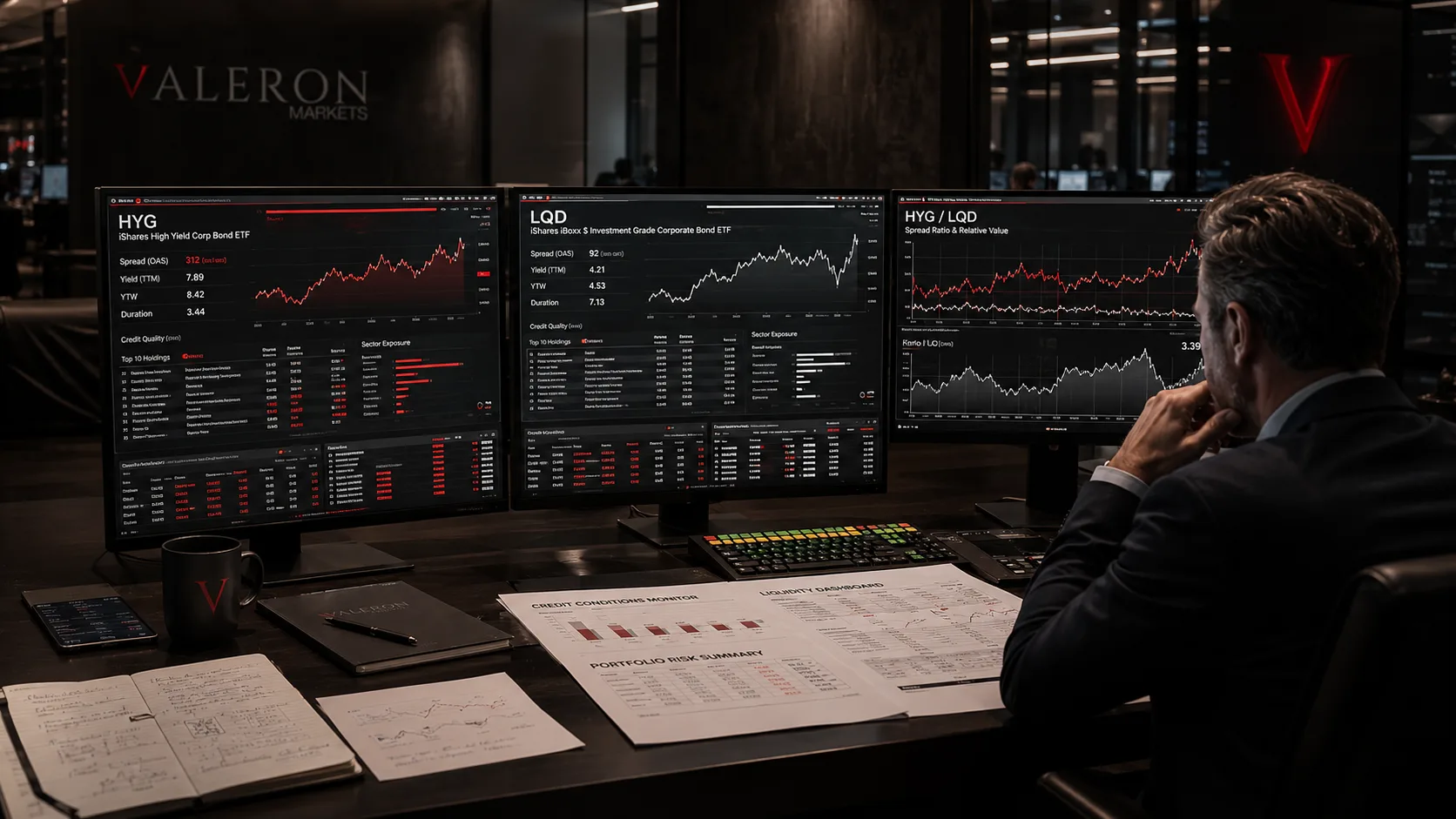
How Valeron Reads Credit Risk Through HYG and LQD
Valeron reads credit risk through HYG and LQD by comparing high-yield appetite against investment-grade safety and market stress.

Trading Research & Strategies
Explore systematic and discretionary trading research frameworks built around repeatable rules. We examine entries, exits, trend following, mean reversion, momentum, price action, quantitative methods, and strategy development.
Risk Management
A trading edge means little without controlled risk. Learn about position sizing, drawdowns, portfolio exposure, stop placement, risk-to-reward, and practical frameworks for protecting trading capital.

Why Low Risk Per Trade Is Smarter in Prop Firm Challenges
Low risk per trade gives evaluation traders more survival time, better drawdown control, and a cleaner path toward consistency.
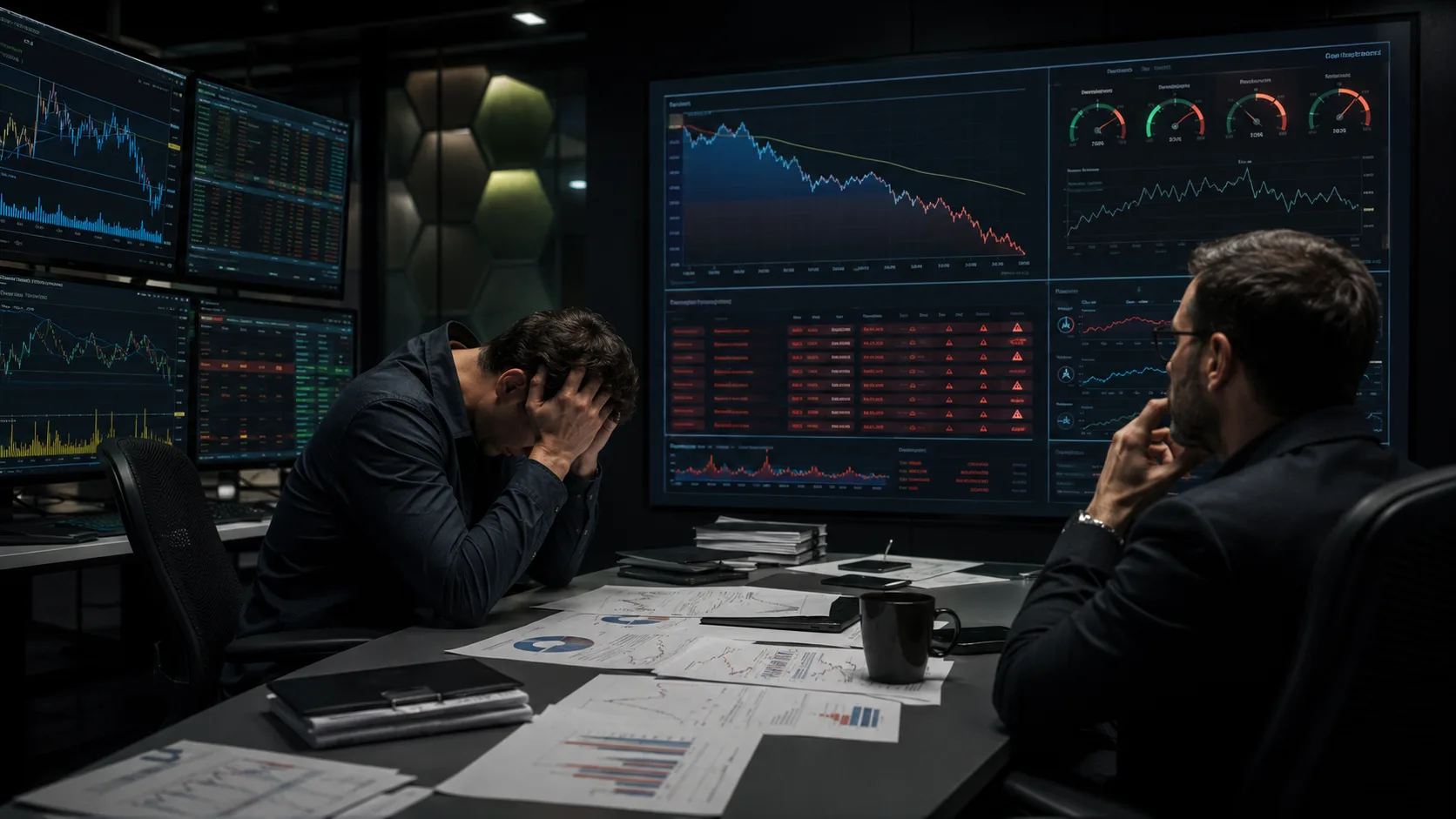
Why Most Traders Fail Prop Firm Challenges
Traders fail prop challenges because they oversize, chase profit targets, ignore daily drawdown, and misunderstand funded account risk math.
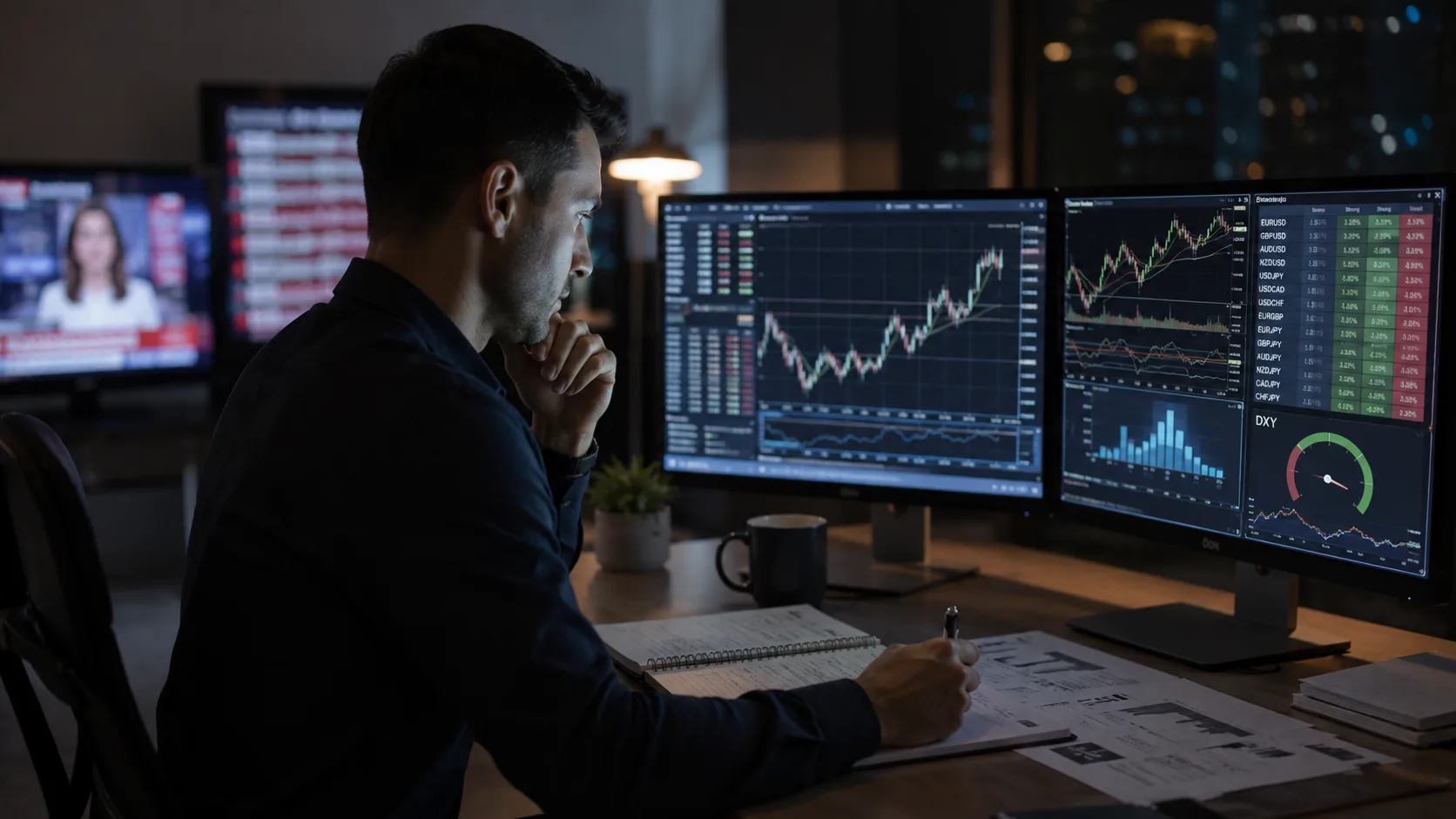
How to Trade Forex Without Chasing News Headlines
Trade forex without chasing news by using macro structure, currency strength, risk filters, and technical execution instead of headline reactions.
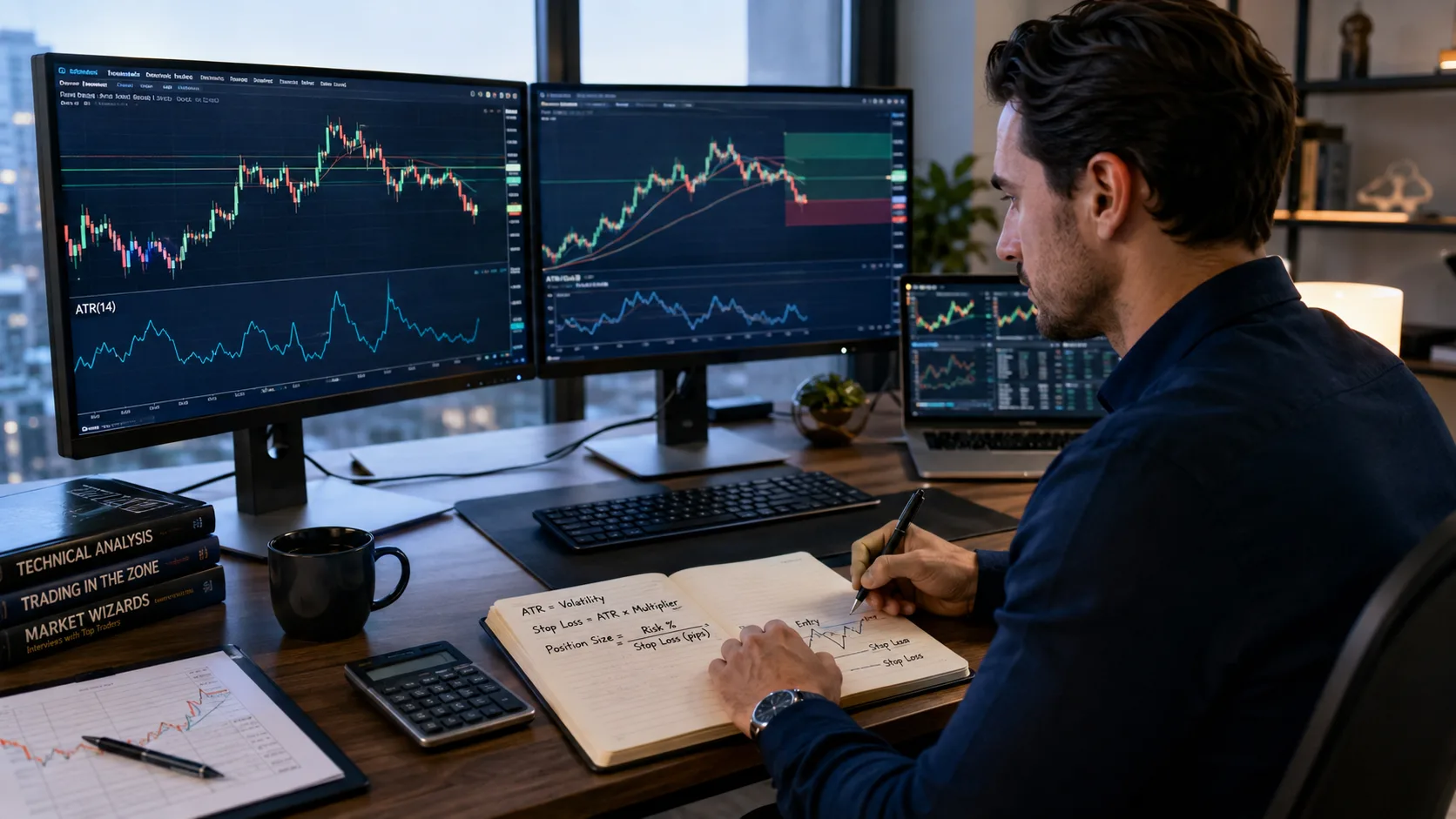
How to Use ATR for Forex Stop Loss and Position Size
ATR for forex stop loss helps traders place realistic stops, adjust position size, and respect volatility across different currency pairs.
The Valeron Approach to Forex: Macro Bias, Technical Execution
The Valeron approach to forex starts with macro bias, filters currency strength, waits for technical execution, and protects capital through risk control.
Why Interest Rates Matter So Much in Forex
Interest rates in forex matter because currency values respond to yield expectations, central-bank policy, inflation pressure, and capital flow.
How Valeron Reads Credit Risk Through HYG and LQD
Valeron reads credit risk through HYG and LQD by comparing high-yield appetite against investment-grade safety and market stress.
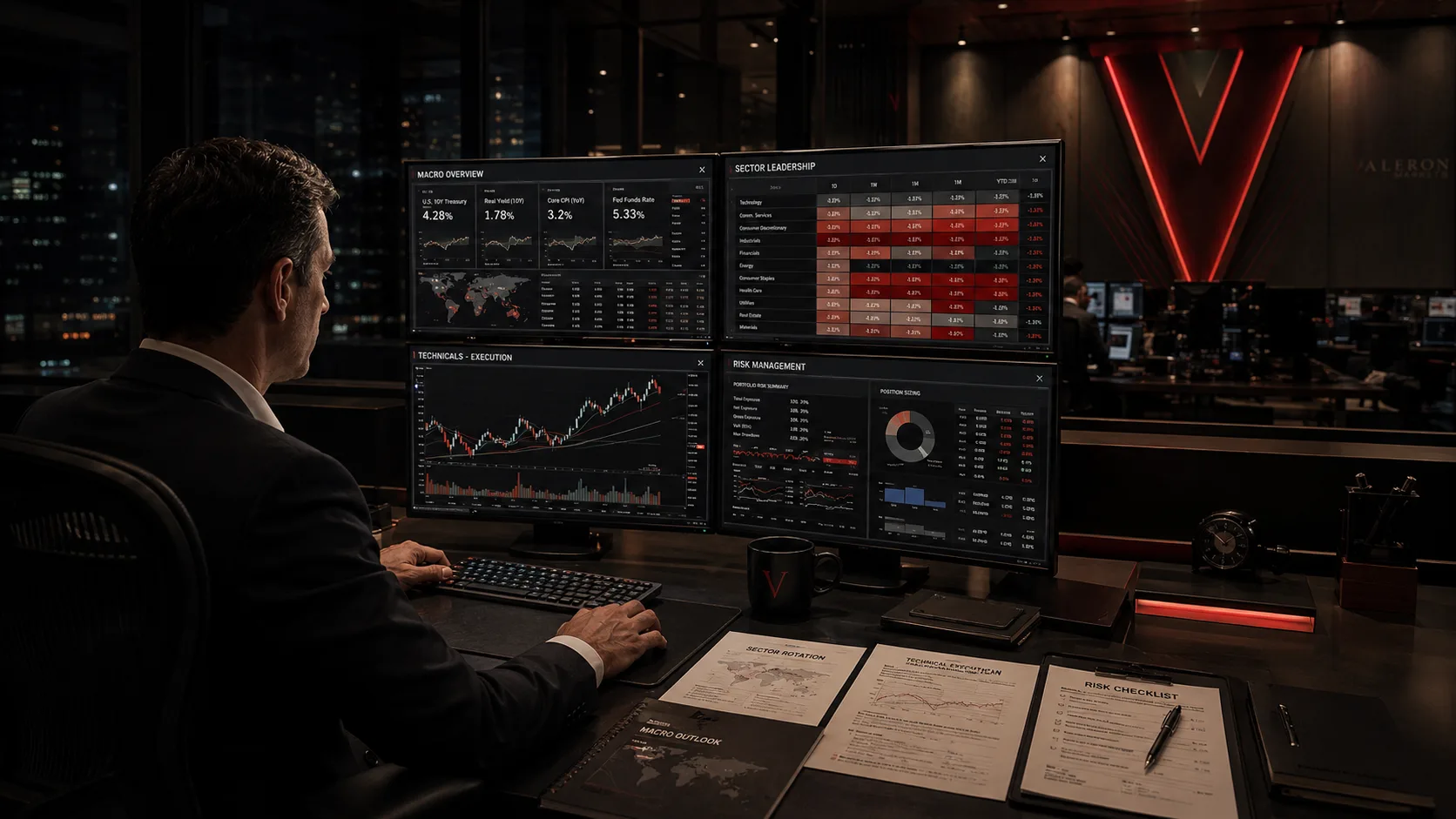
The Valeron Market Framework: Macro, Sector, Technicals, Risk
The Valeron Market Framework combines macro context, sector leadership, technical execution, and risk control into one trading process.
Technical Analysis
Learn how to analyze market structure without filling your charts with unnecessary noise. We cover price action, trend analysis, volatility, indicators, support and resistance, and quantitative technical methods.
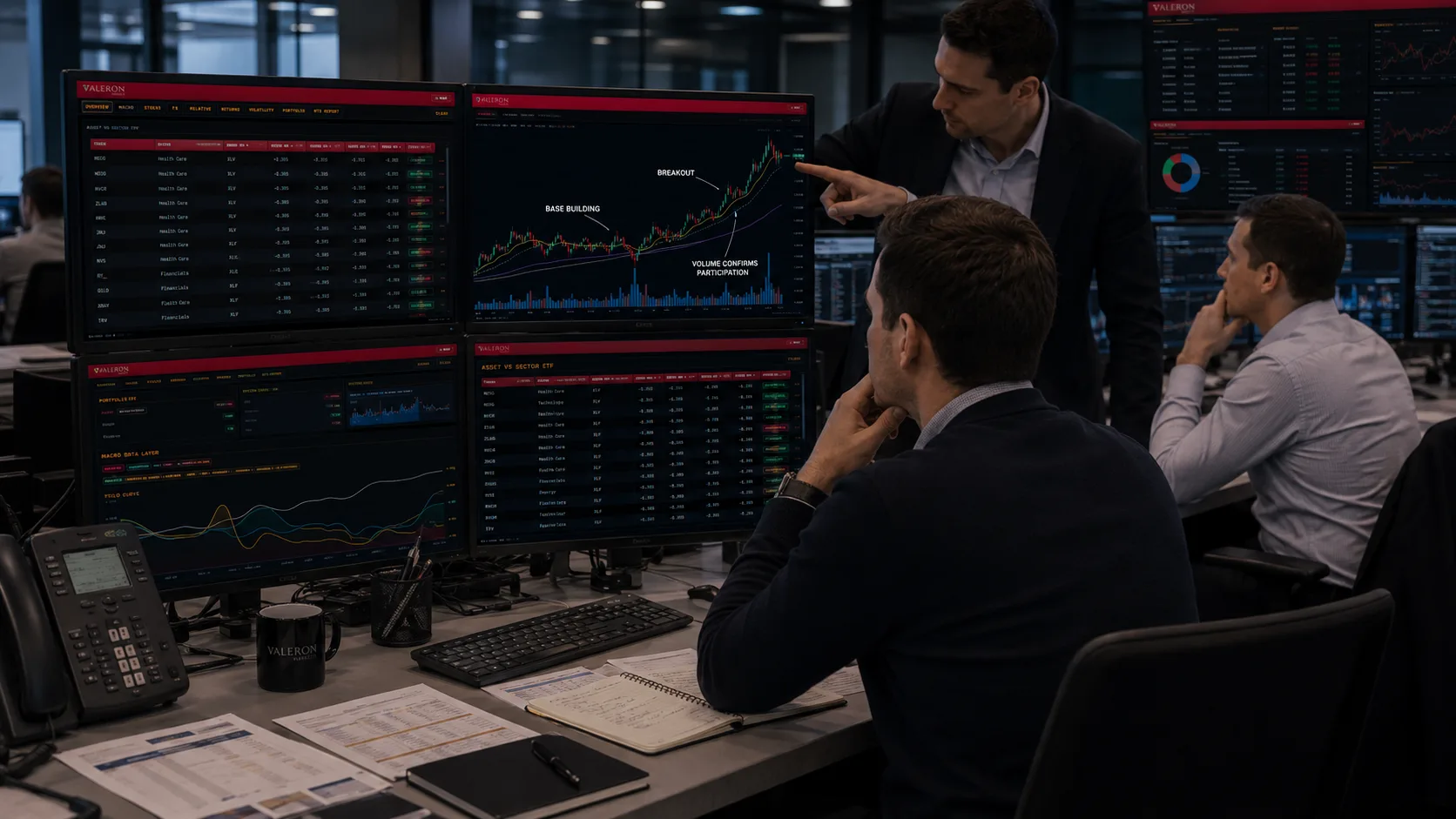
Why Volume Matters in Stock Breakouts
Volume matters in stock breakouts because it helps traders judge whether a move has real participation or only weak price drift.
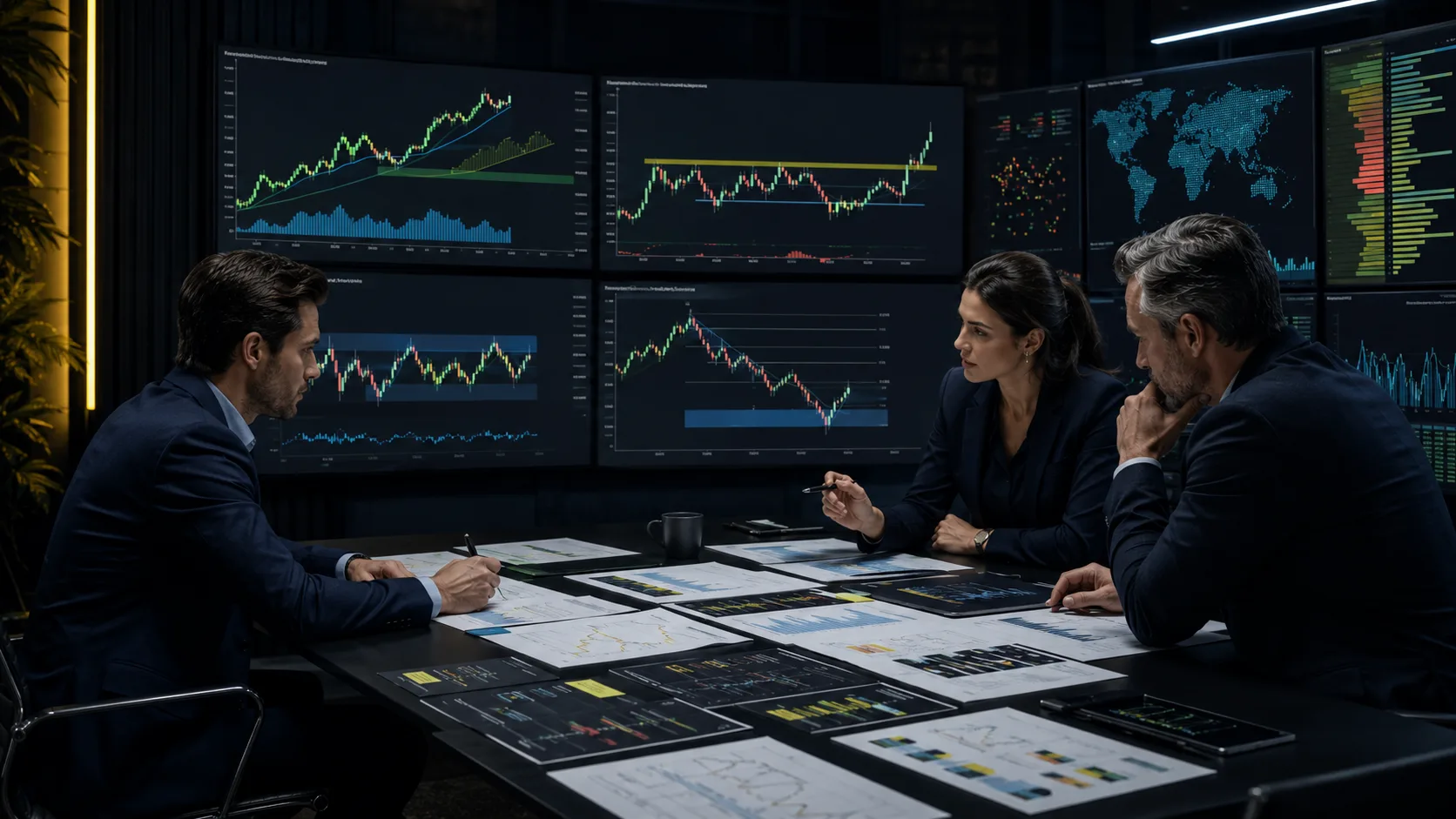
Best Trading Strategies for Prop Firm Evaluation Accounts
Trading strategies for evaluation accounts should match drawdown rules, use clear stops, and avoid fragile recovery systems.
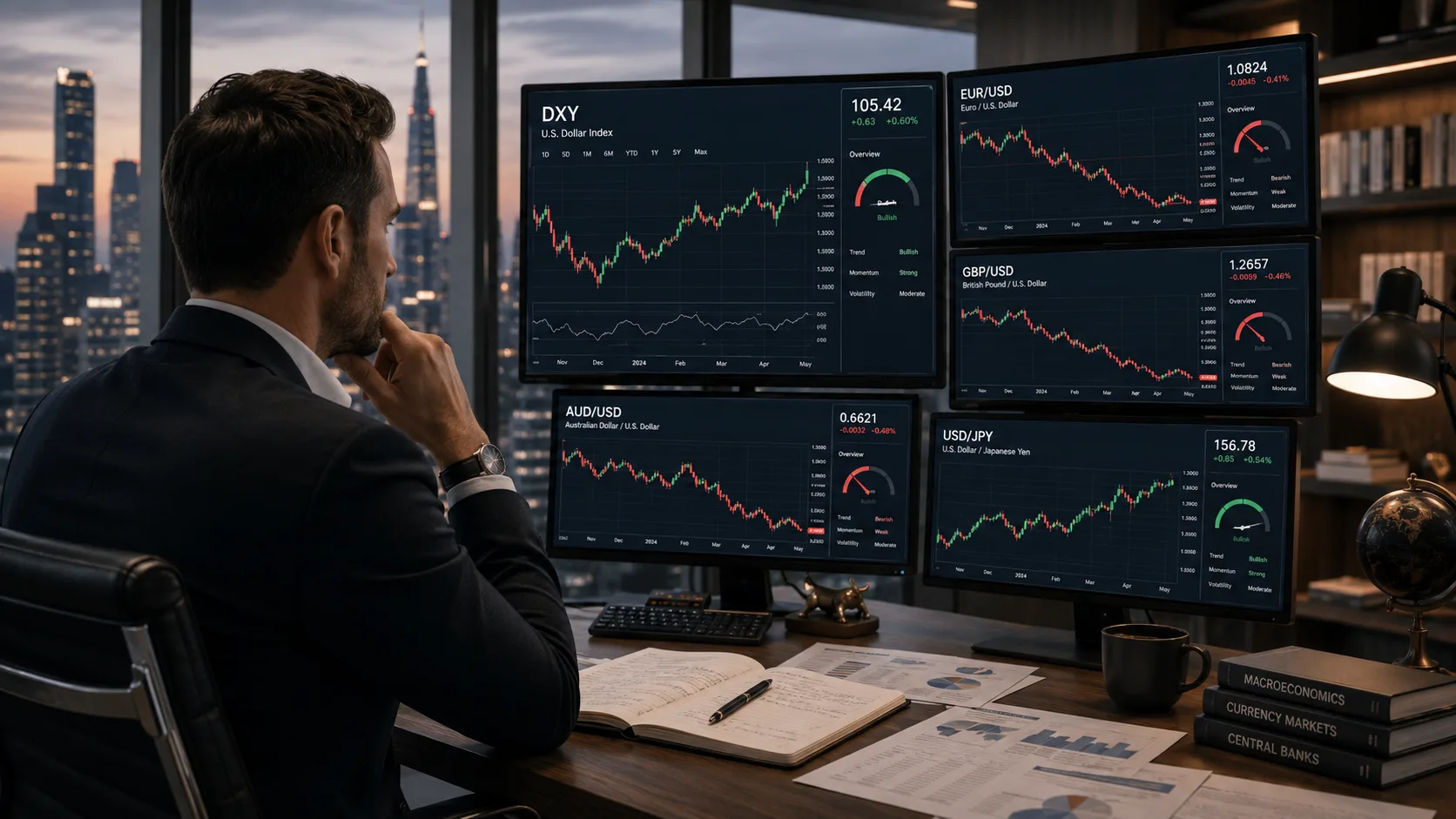
How DXY Impacts Major Forex Pairs
DXY impacts forex pairs by showing broad US dollar strength or weakness and helping traders filter major forex setups.
The Difference Between Technical and Macro Forex Trading
Technical and macro forex trading are different layers of one process: macro creates bias while technical analysis defines execution.
How to Use ATR for Forex Stop Loss and Position Size
ATR for forex stop loss helps traders place realistic stops, adjust position size, and respect volatility across different currency pairs.
The Valeron Approach to Forex: Macro Bias, Technical Execution
The Valeron approach to forex starts with macro bias, filters currency strength, waits for technical execution, and protects capital through risk control.
What Makes a Forex Pair Strong or Weak?
A forex pair strong or weak reading depends on relative currency strength, rates, macro conditions, risk appetite, and technical structure.
Why Currency Strength Is More Important Than Random Signals
Currency strength matters more than random signals because forex trading is relative and clean opportunities come from strong versus weak currencies.
FX Cross Rates
FX Heatmap
Forex Trading
Explore forex trading research, strategies, and market analysis covering major and minor currency pairs. Learn how macroeconomic conditions, interest rates, monetary policy, technical structure, and risk management can help you navigate the global FX market with a more structured approach.
Stock Heatmap by Volume (1 Month)

Wealth
ETF Heatmap by Volume (1 Month)

Market Analysis
The Valeron Thesis: Markets Are Efficiently Inefficient
Efficiently inefficient markets create opportunity because prices process information quickly but still leave exploitable gaps in behavior and structure.
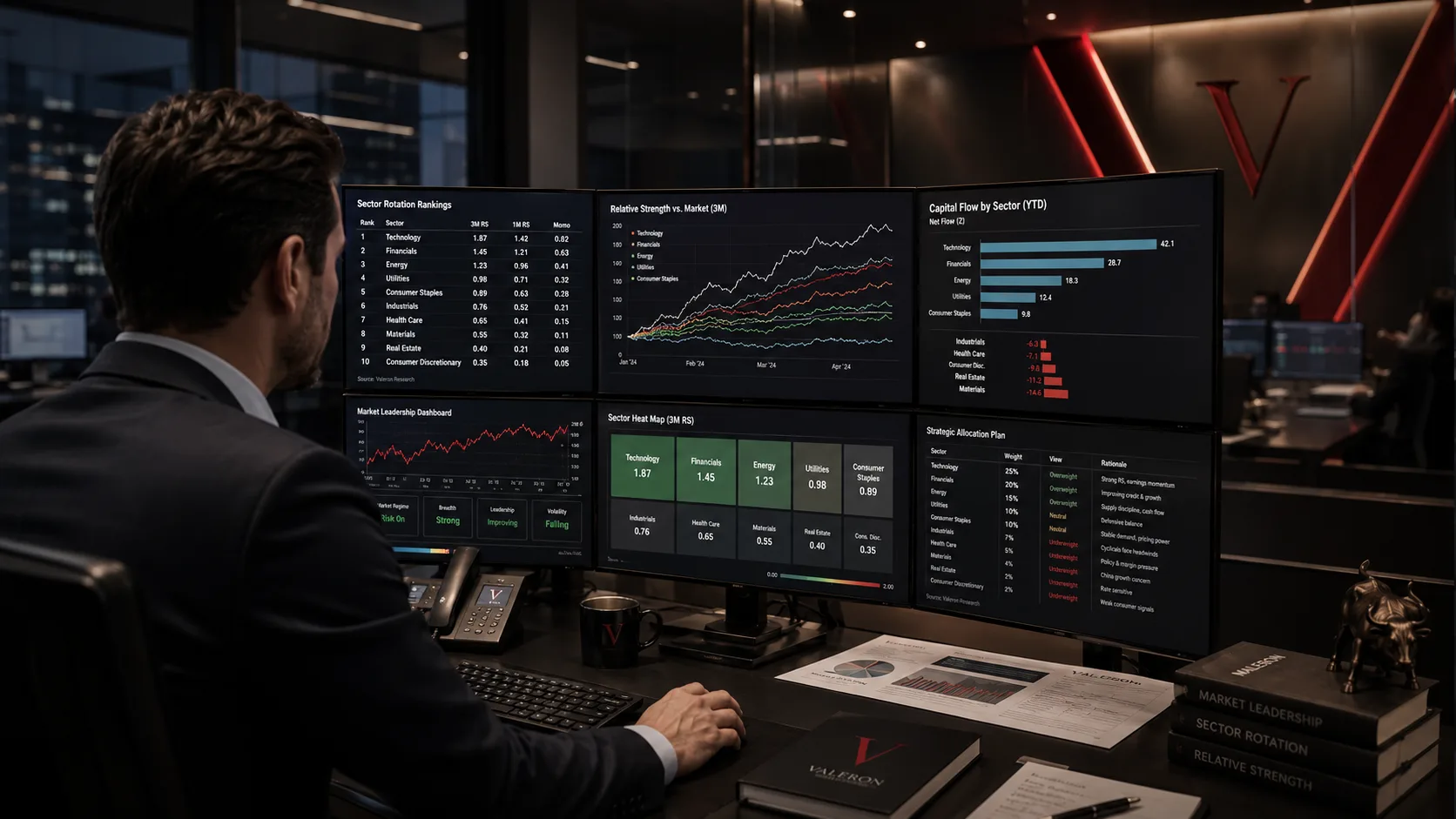
The Valeron View on Sector Rotation and Market Leadership
Sector rotation and market leadership reveal where capital is flowing and help traders focus on the strongest areas of the market.

Why Quantitative Data Beats Narrative in Market Analysis
Quantitative data beats narrative because market stories are emotional, late, and biased, while data creates a more objective decision process.
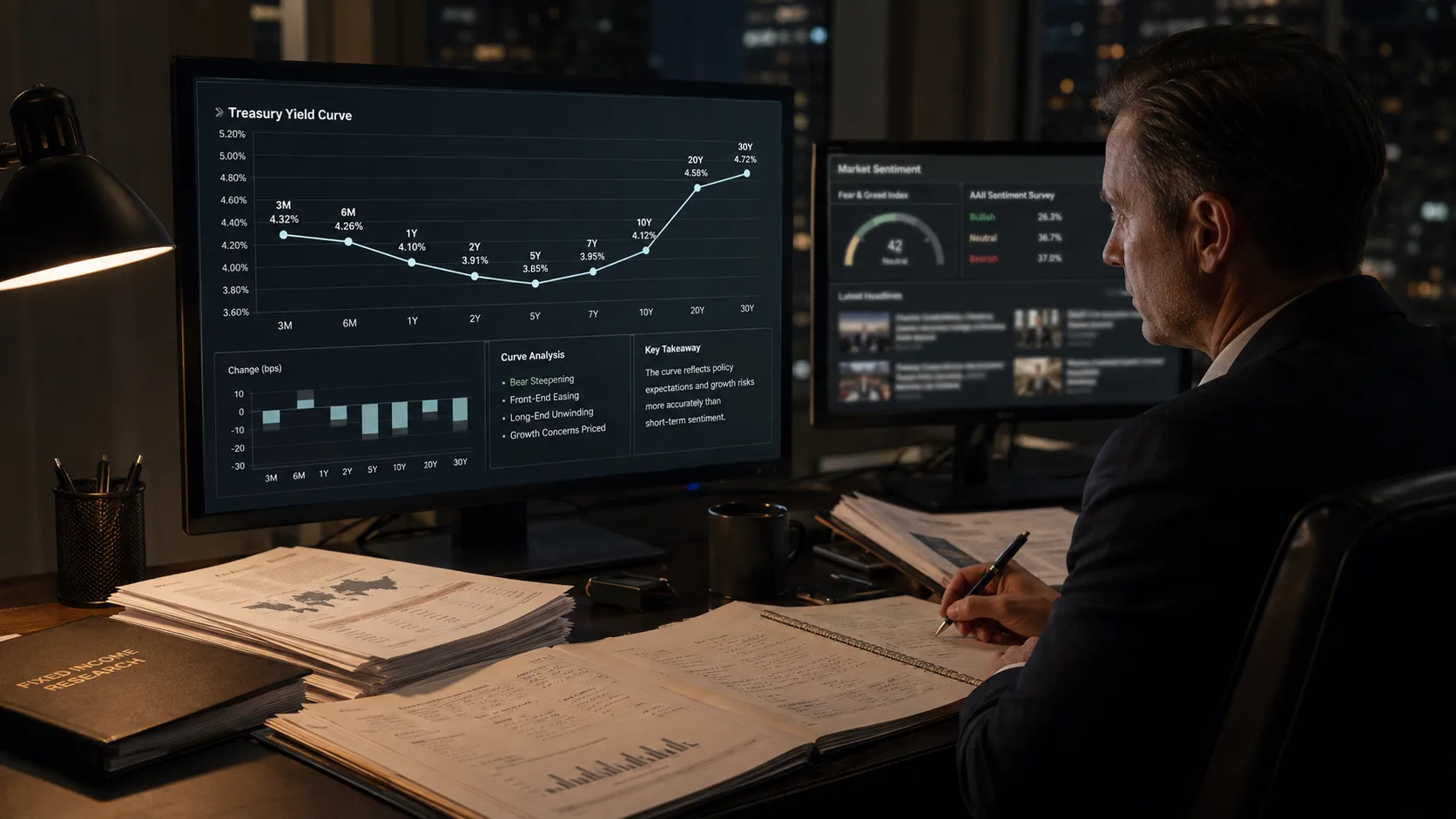
Why We Track the Yield Curve Before Market Sentiment
We track the yield curve before market sentiment because rates often reveal stress, caution, and regime change before narratives adjust.

Growth Stocks vs Defensive Stocks: When Each One Performs Better
Growth stocks vs defensive stocks is a macro and sector leadership question that depends on rates, risk appetite, and market tone.
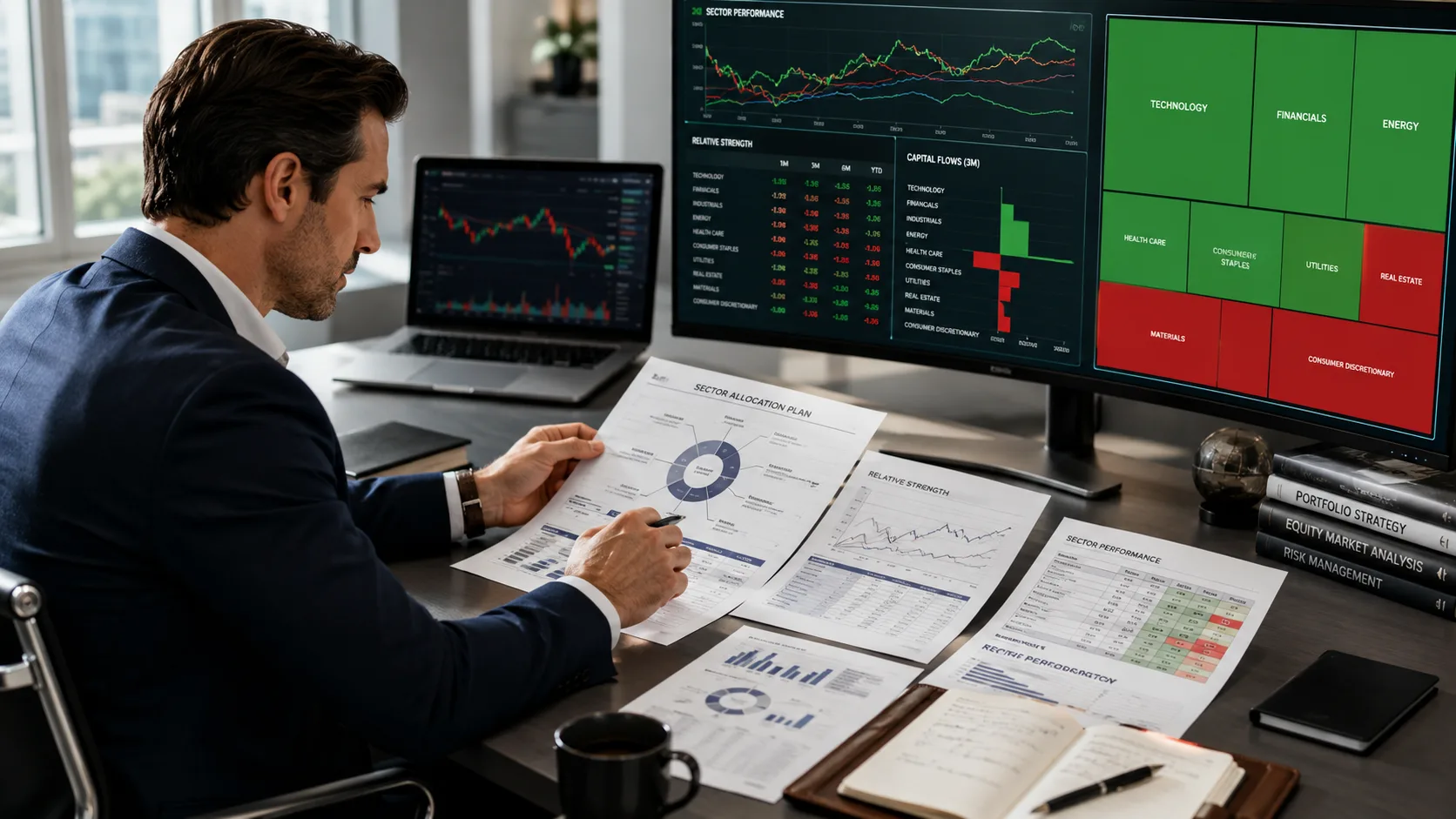
How Sector Rotation Can Improve Investment Decisions
Sector rotation investing helps investors follow capital flow, improve allocation, and avoid forcing money into weak parts of the market.
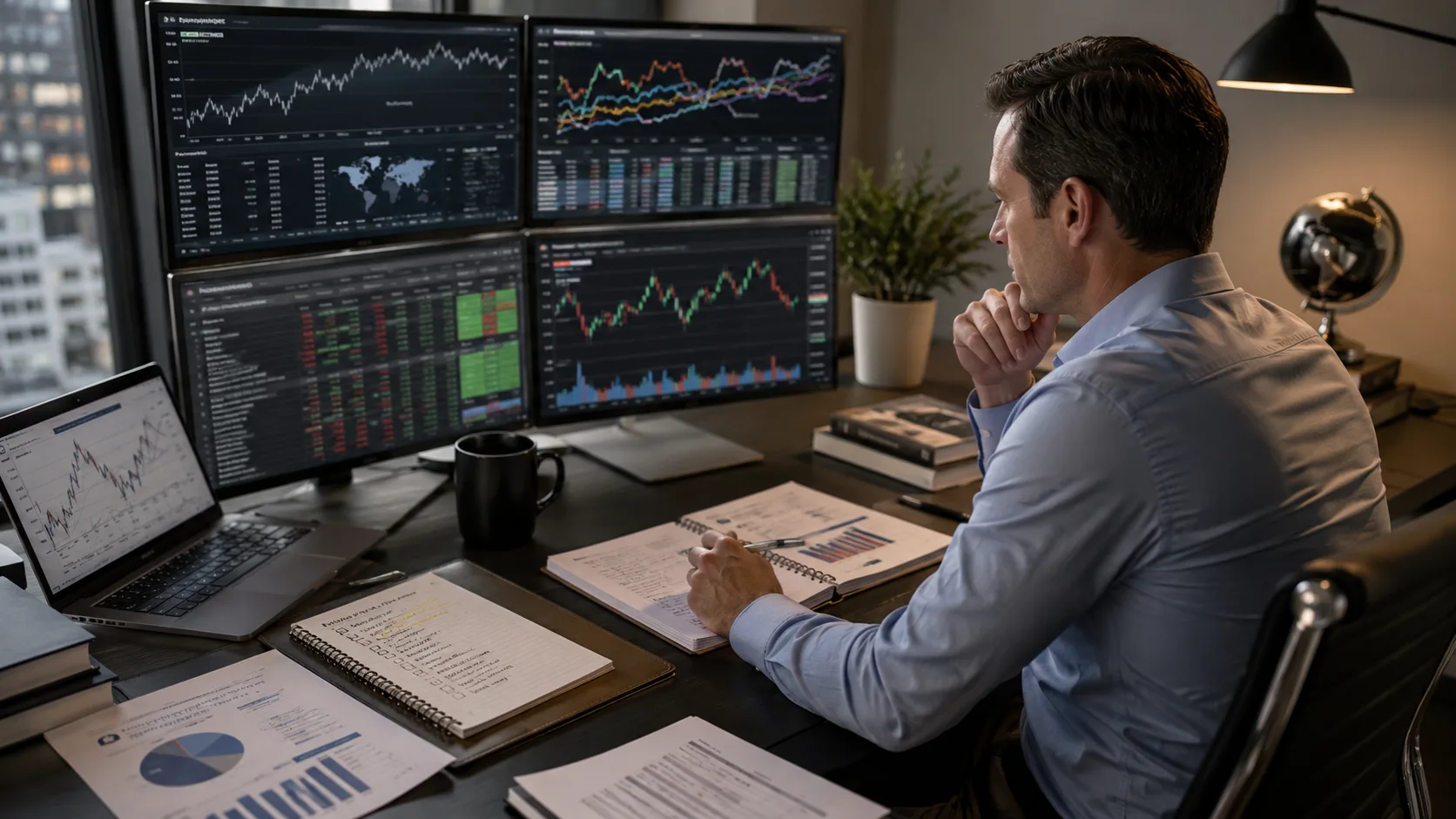
How to Build a Watchlist Based on Macro and Sector Strength
A watchlist based on macro and sector strength helps investors focus on leading parts of the market instead of random charts.
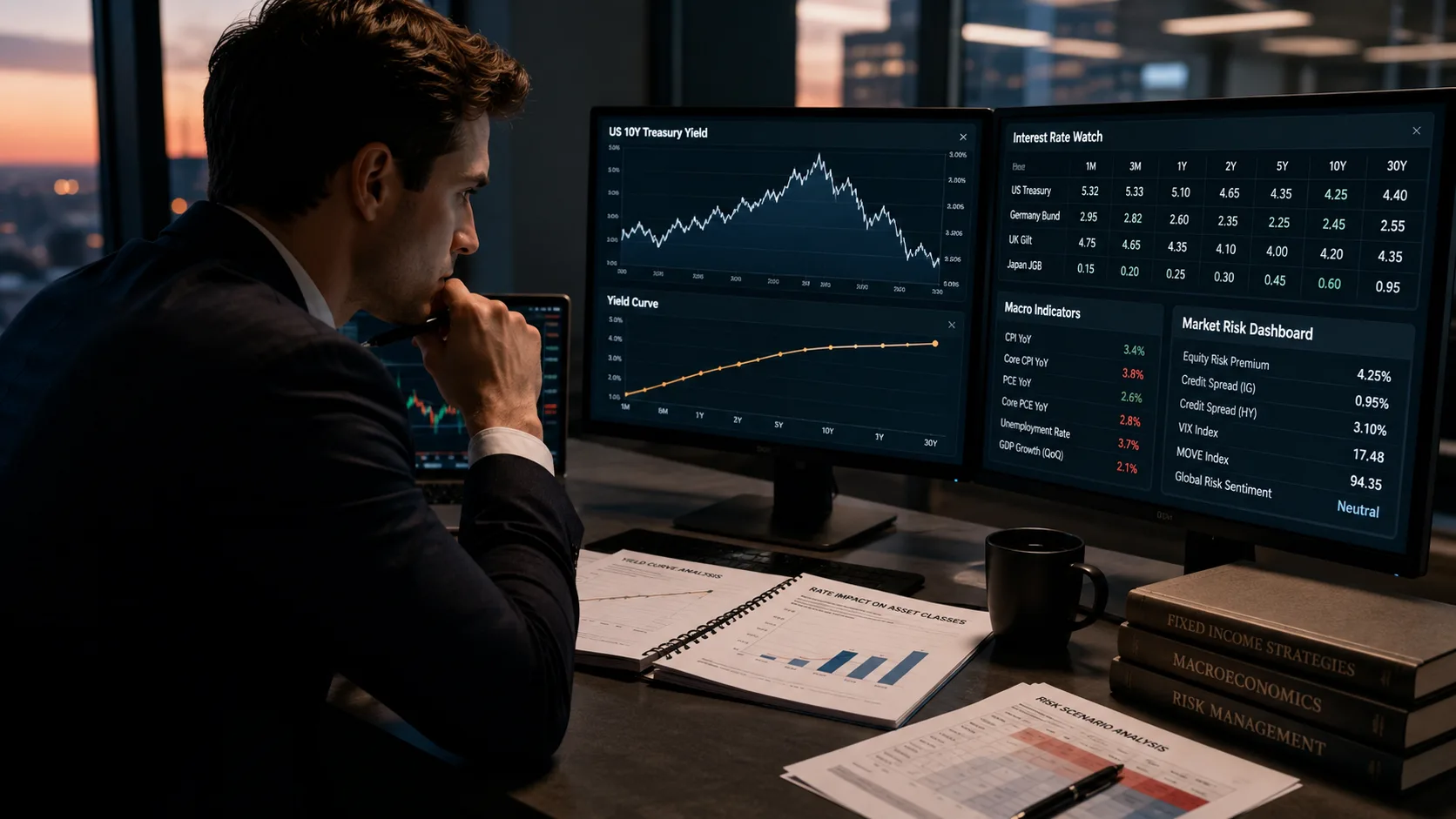
How to Use Interest Rates to Understand Market Risk
Interest rates market risk analysis helps investors understand valuation pressure, sector behavior, and the broader tone of capital markets.
Trading
How to Trade Forex Without Chasing News Headlines
Trade forex without chasing news by using macro structure, currency strength, risk filters, and technical execution instead of headline reactions.
What Makes a Forex Pair Strong or Weak?
A forex pair strong or weak reading depends on relative currency strength, rates, macro conditions, risk appetite, and technical structure.
Why Interest Rates Matter So Much in Forex
Interest rates in forex matter because currency values respond to yield expectations, central-bank policy, inflation pressure, and capital flow.
How Valeron Filters Stocks Before Looking for Entries
Valeron filters stocks before entries by using macro context, sector strength, relative performance, fundamentals, technical structure, and risk.
How Valeron Markets Turns Data Into Trading Decisions
Valeron Markets turns data into trading decisions by converting macro, sector, technical, and risk signals into a structured process.
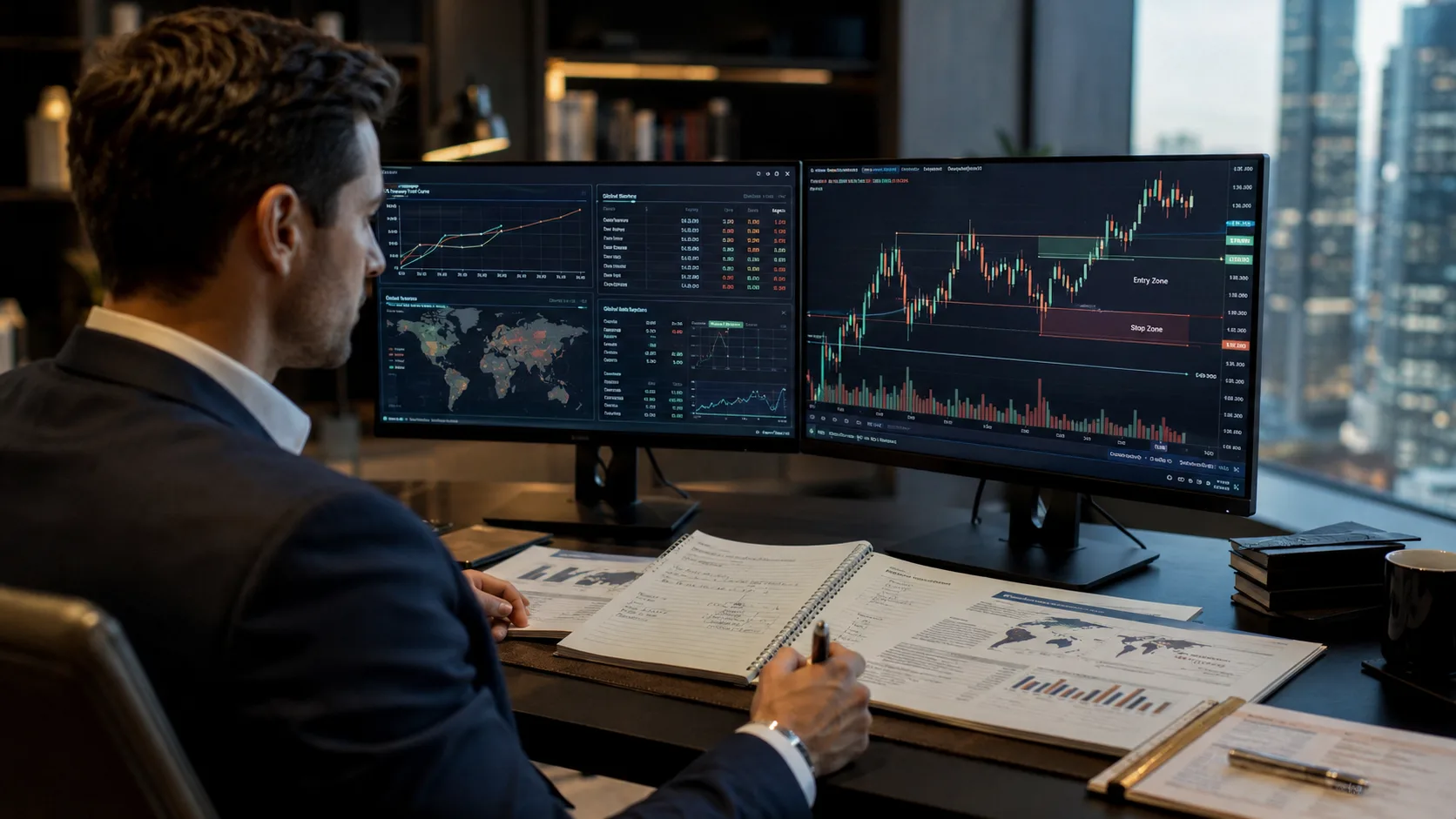
How We Combine Macro Data With Technical Execution
Combining macro data with technical execution helps traders align market context, sector leadership, timing, volume, stops, and position size.
The Valeron Market Framework: Macro, Sector, Technicals, Risk
The Valeron Market Framework combines macro context, sector leadership, technical execution, and risk control into one trading process.
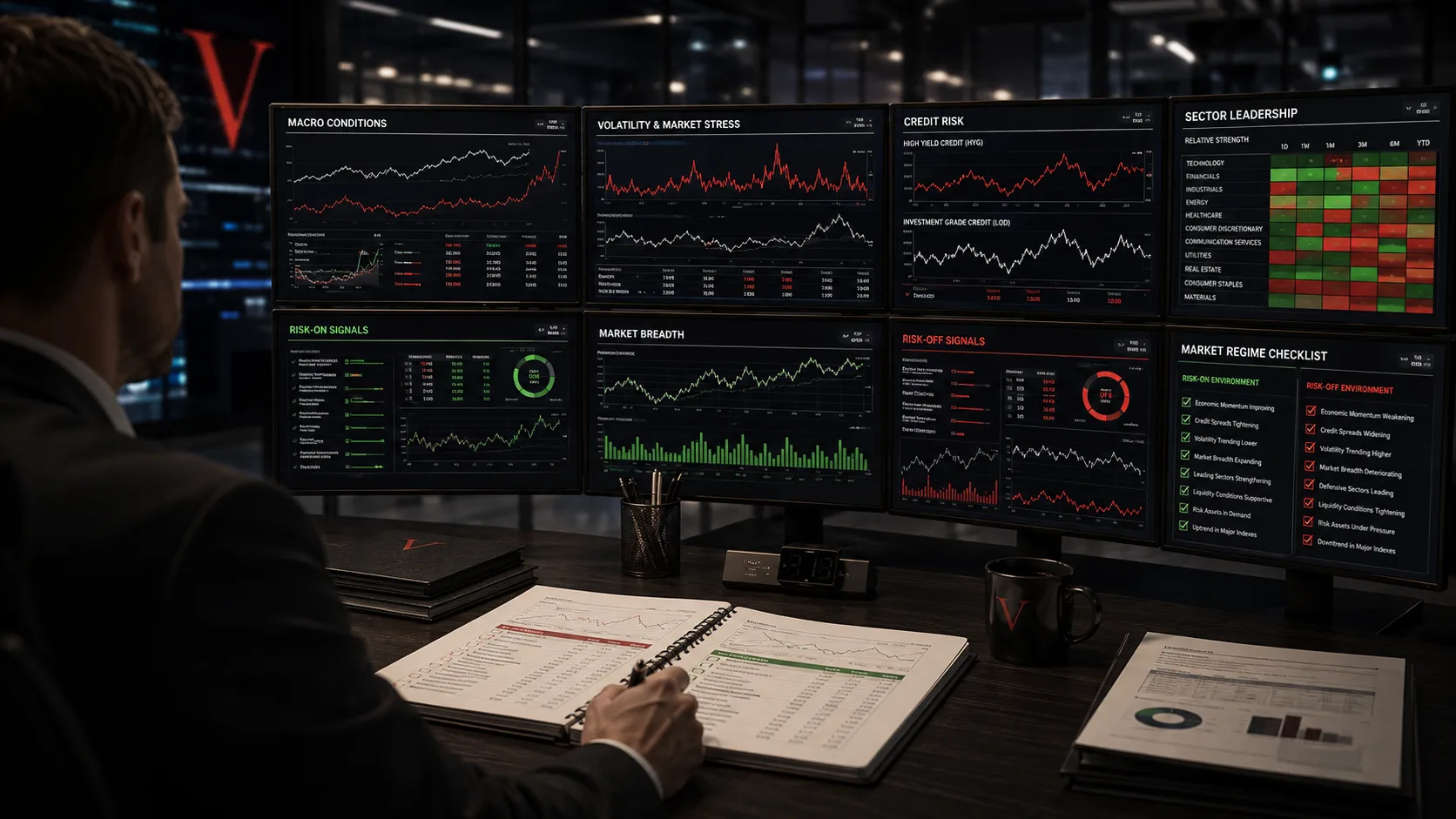
The Valeron Risk-On and Risk-Off Market Checklist
The Valeron risk-on and risk-off checklist helps traders define market tone through macro data, credit, volatility, sectors, and technicals.
Investments
Valeron Research
Economic Calendar