
Trade the Process, Not the Noise.
Valeron Markets provides trading research, market analysis, and practical education for traders who want to understand what moves markets and make better decisions.
Featured Research & Guides
Start with our selected market research, trading guides, and educational resources covering the concepts we consider most important for building a structured trading process.
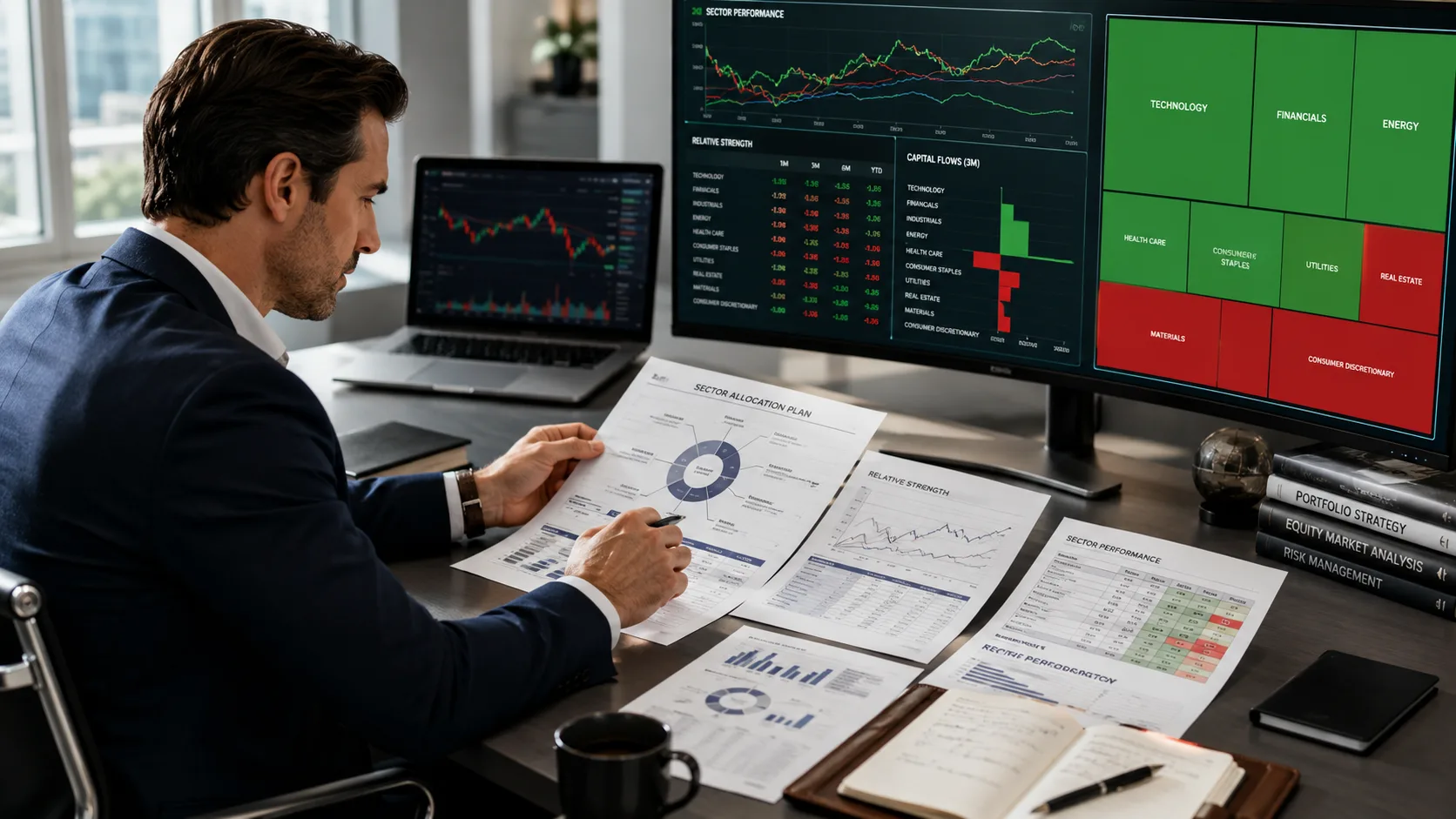
How Sector Rotation Can Improve Investment Decisions
Sector rotation investing helps investors follow capital flow, improve allocation, and avoid forcing money into weak parts of the market.

How to Build a Watchlist Based on Macro and Sector Strength
A watchlist based on macro and sector strength helps investors focus on leading parts of the market instead of random charts.

Why ETFs Are Powerful Tools for Long-Term Wealth Building
ETFs for wealth building give investors diversification, liquidity, low costs, and efficient exposure to markets, sectors, and themes.

Why Macro Conditions Matter for Stock Market Investors
Macro conditions matter because interest rates, inflation, credit, liquidity, and risk appetite shape how stocks and sectors behave.
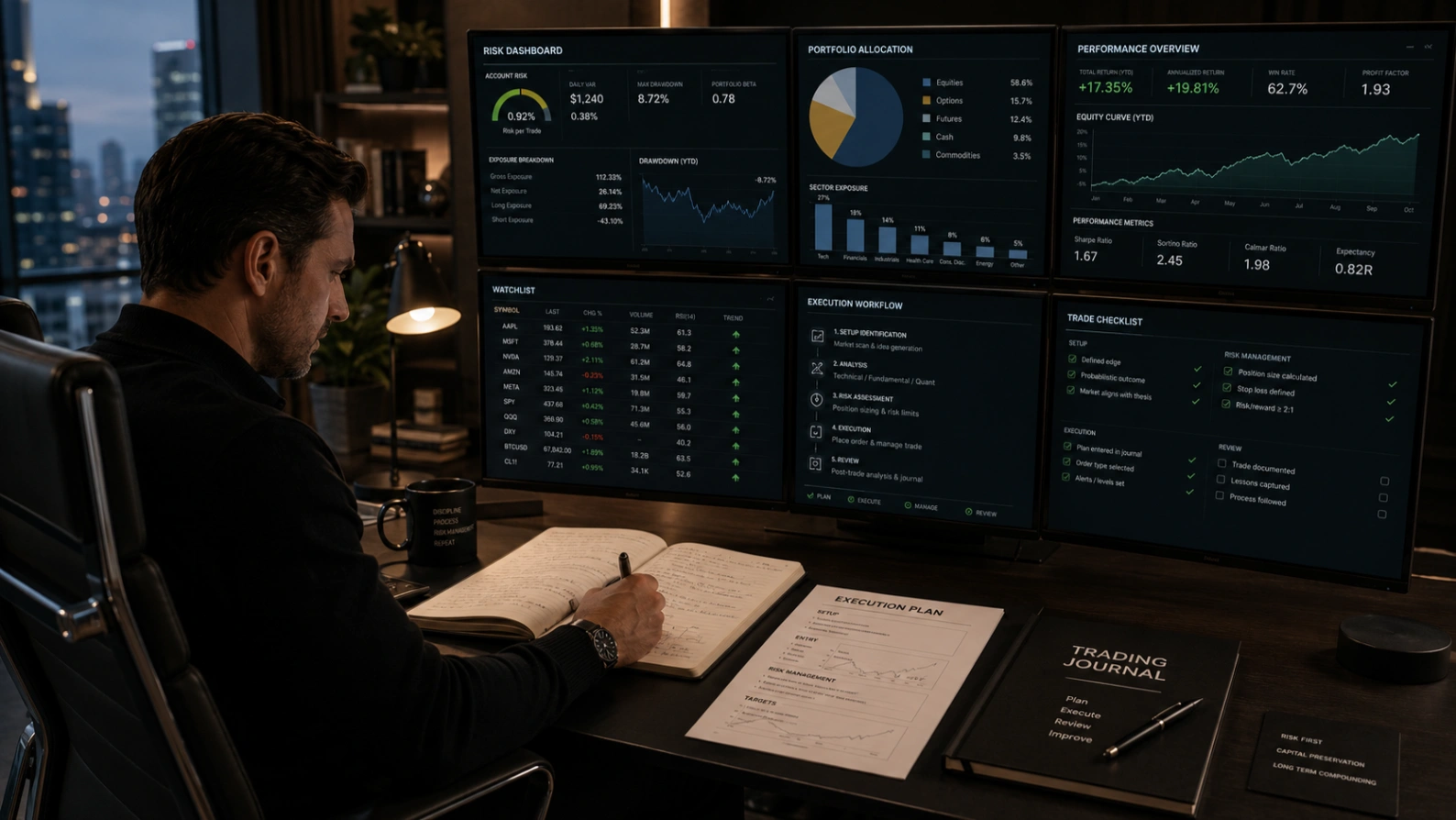
Trading Discipline: Why Trading Alone Won’t Build Wealth
Trading discipline is what separates serious wealth building from random speculation, emotional risk, and short-term market obsession.
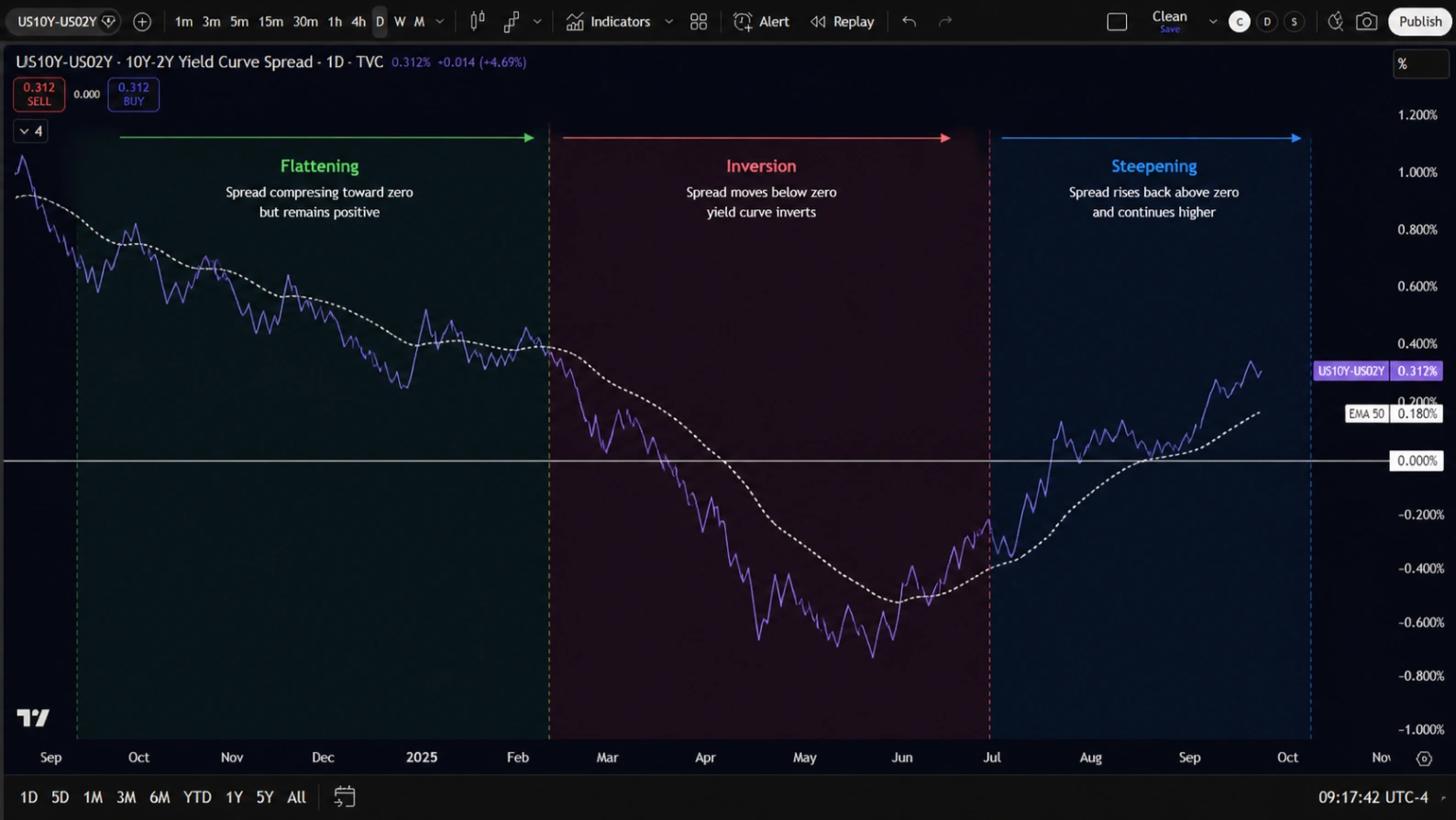
How to Check the Yield Curve on TradingView
Learn how to check the yield curve for free on TradingView using the 10Y-2Y spread, a line chart, and a moving average.
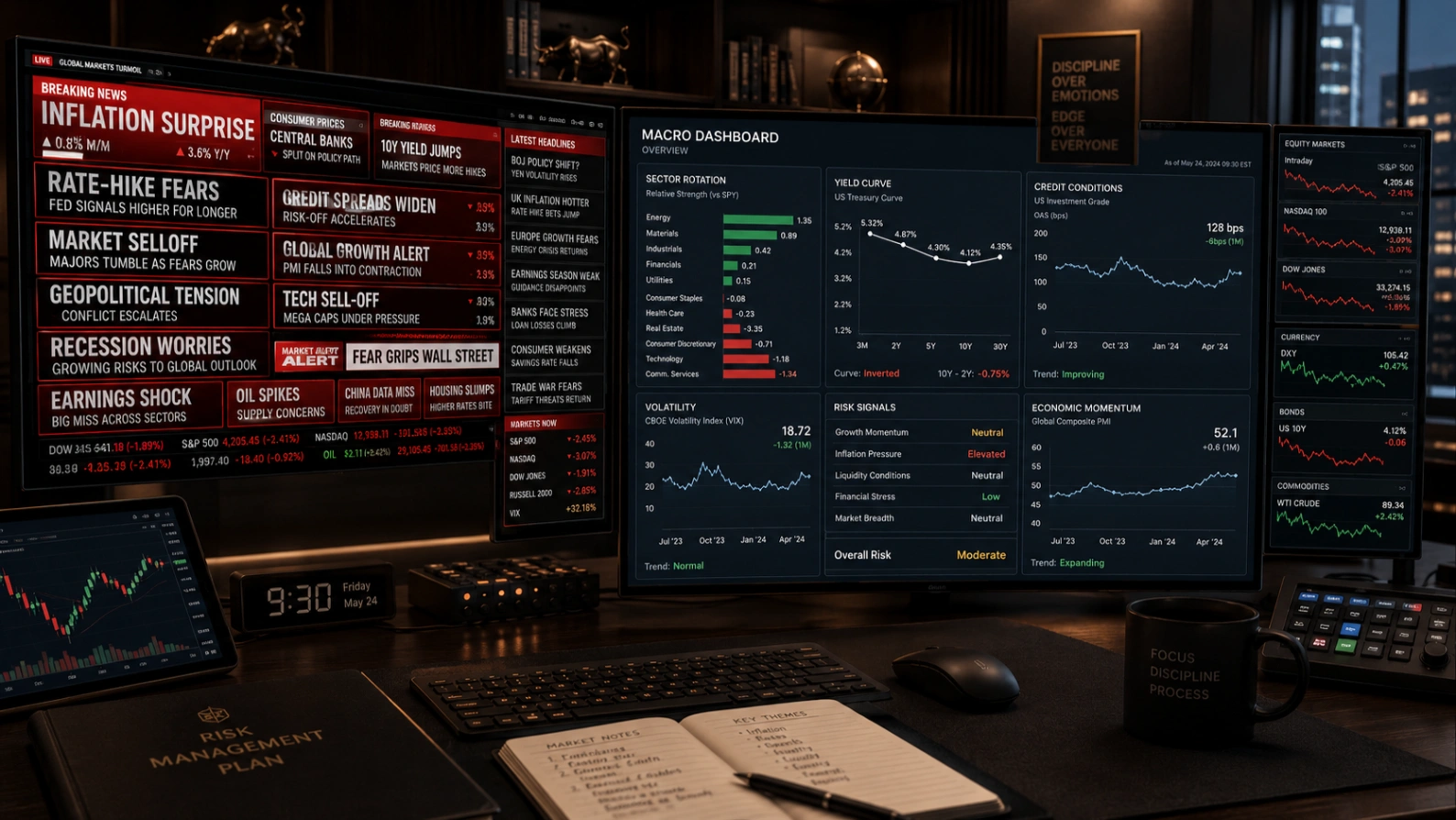
Macro Data for Traders: Stop Trading the News
Macro data for traders gives cleaner market context than headlines, helping traders avoid noise and build a real process.
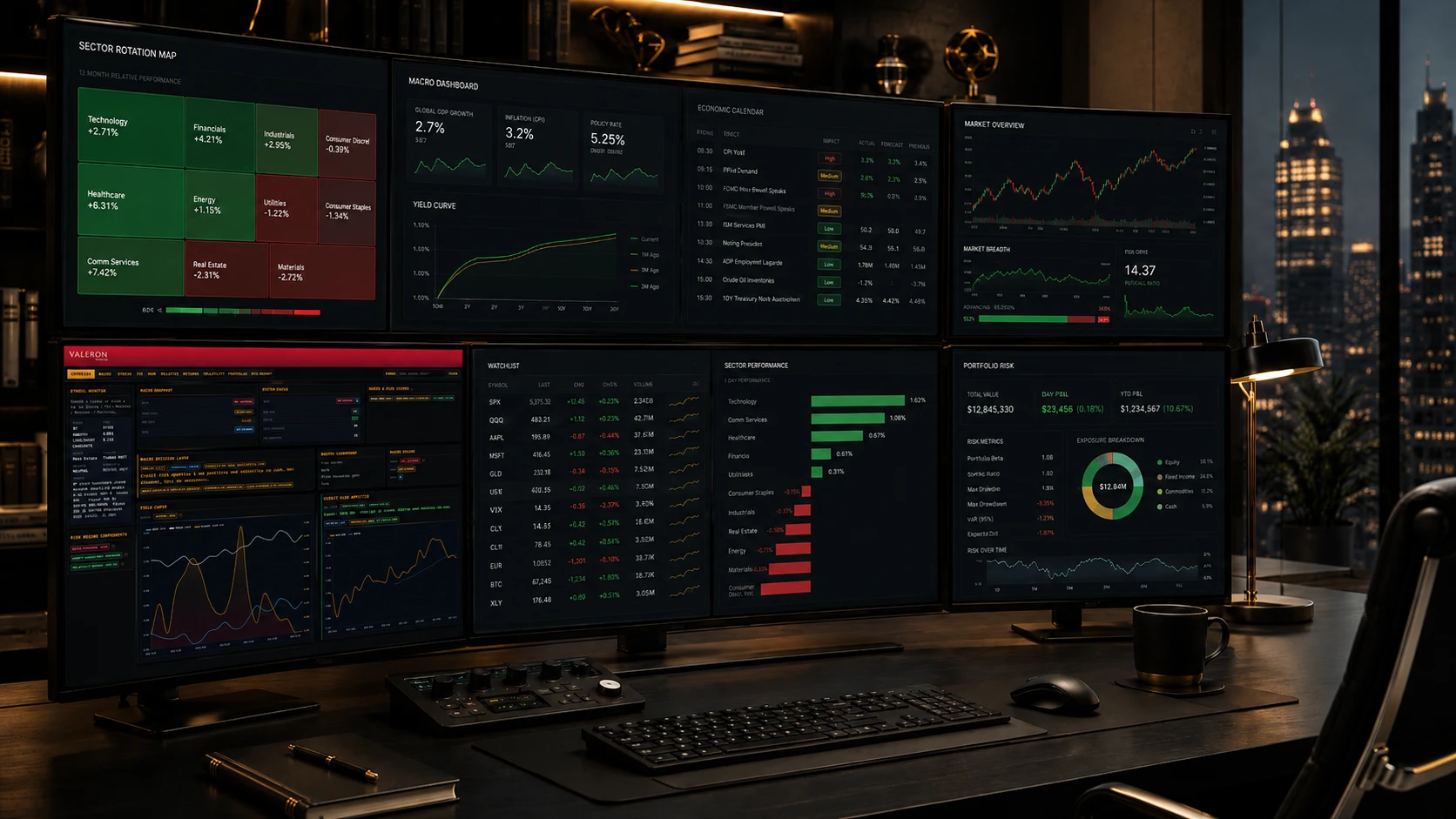
Macro and Technical Analysis for Smarter Trading
Macro and technical analysis help new traders choose better sectors, time entries, manage risk, and stop trading blind.
Latest Market Insights
Explore our newest research, market analysis, trading strategies, and educational articles. We regularly cover developments across equities, FX, commodities, macroeconomics, and systematic trading.
How Sector Rotation Can Improve Investment Decisions
Sector rotation investing helps investors follow capital flow, improve allocation, and avoid forcing money into weak parts of the market.
How to Build a Watchlist Based on Macro and Sector Strength
A watchlist based on macro and sector strength helps investors focus on leading parts of the market instead of random charts.
Why ETFs Are Powerful Tools for Long-Term Wealth Building
ETFs for wealth building give investors diversification, liquidity, low costs, and efficient exposure to markets, sectors, and themes.
Why Macro Conditions Matter for Stock Market Investors
Macro conditions matter because interest rates, inflation, credit, liquidity, and risk appetite shape how stocks and sectors behave.
Trading Discipline: Why Trading Alone Won’t Build Wealth
Trading discipline is what separates serious wealth building from random speculation, emotional risk, and short-term market obsession.
How to Check the Yield Curve on TradingView
Learn how to check the yield curve for free on TradingView using the 10Y-2Y spread, a line chart, and a moving average.
Macro Data for Traders: Stop Trading the News
Macro data for traders gives cleaner market context than headlines, helping traders avoid noise and build a real process.
Macro and Technical Analysis for Smarter Trading
Macro and technical analysis help new traders choose better sectors, time entries, manage risk, and stop trading blind.
Macro & Market Intelligence
Understand the forces behind price action. Our macro research covers economic data, interest rates, liquidity, credit conditions, volatility, risk appetite, and market regimes — with a focus on what they mean for traders.
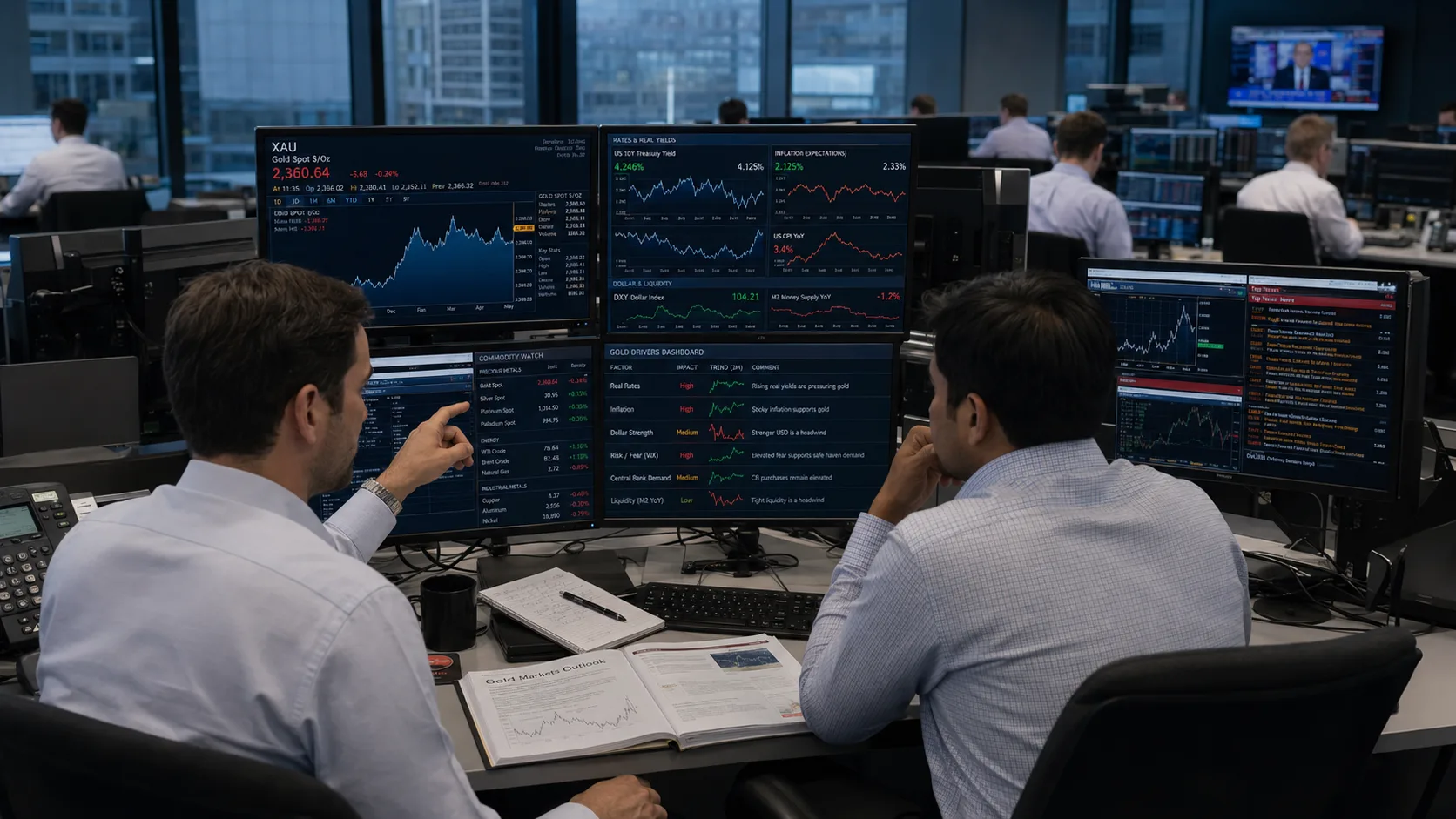
Why Gold Moves With Rates, Inflation, and Fear
Why gold moves depends on real rates, inflation expectations, DXY, financial stress, fear, and technical momentum.
The Valeron Framework for Stock Trade Selection
The Valeron framework for stock trade selection combines macro context, sector strength, relative performance, technical structure, volume, and risk.
What Traders Should Watch Before Buying Growth Stocks
Before buying growth stocks, traders should watch rates, macro conditions, sector strength, valuation pressure, momentum, volume, and risk.
Why Strong Stocks Can Still Collapse in Bad Macro Conditions
Strong stocks can still collapse in bad macro conditions when rates rise, liquidity tightens, sector leadership breaks, or risk appetite disappears.

Forex Trading Explained: What Actually Moves Currency Pairs
Forex trading explained through the real forces behind currency pairs: interest rates, inflation, growth, risk appetite, DXY, and technical execution.
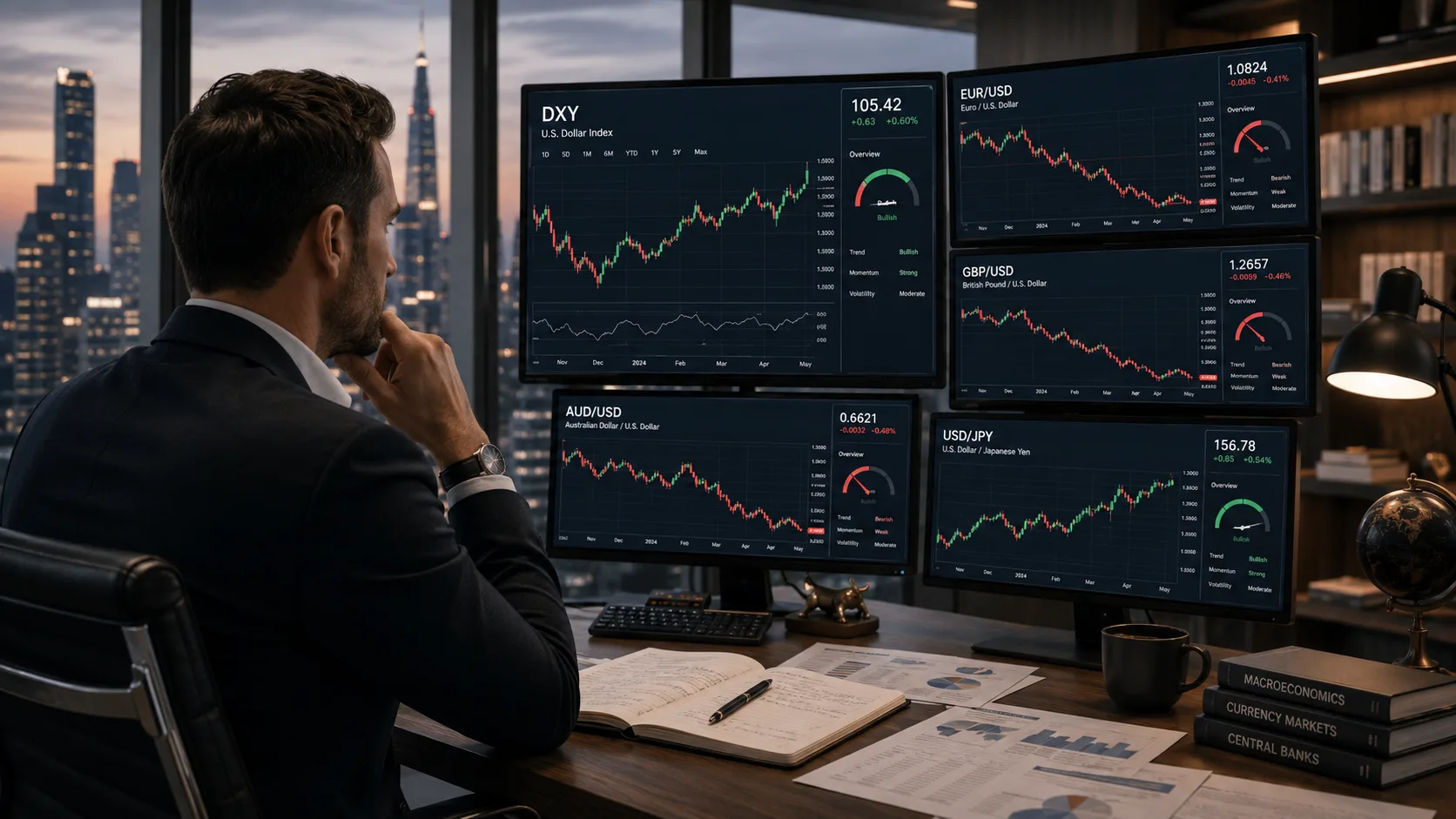
How DXY Impacts Major Forex Pairs
DXY impacts forex pairs by showing broad US dollar strength or weakness and helping traders filter major forex setups.

How to Build a Forex Watchlist Using Macro Data
A forex watchlist using macro data helps traders rank currencies, select cleaner pairs, and avoid random signal-based trading.

How to Trade Forex Without Chasing News Headlines
Trade forex without chasing news by using macro structure, currency strength, risk filters, and technical execution instead of headline reactions.

Trading Research & Strategies
Explore systematic and discretionary trading research frameworks built around repeatable rules. We examine entries, exits, trend following, mean reversion, momentum, price action, quantitative methods, and strategy development.
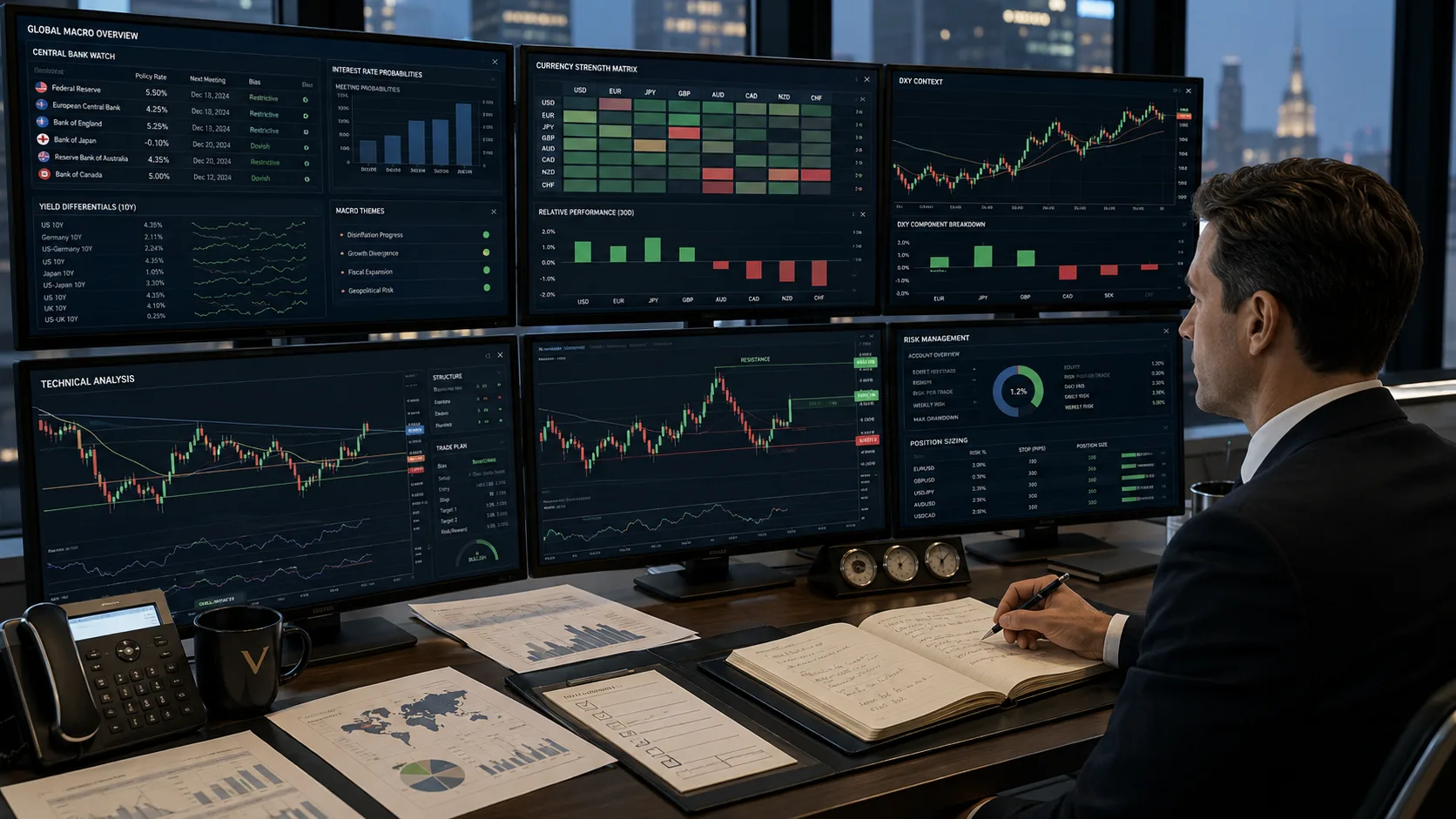
The Valeron Approach to Forex: Macro Bias, Technical Execution
The Valeron approach to forex starts with macro bias, filters currency strength, waits for technical execution, and protects capital through risk control.
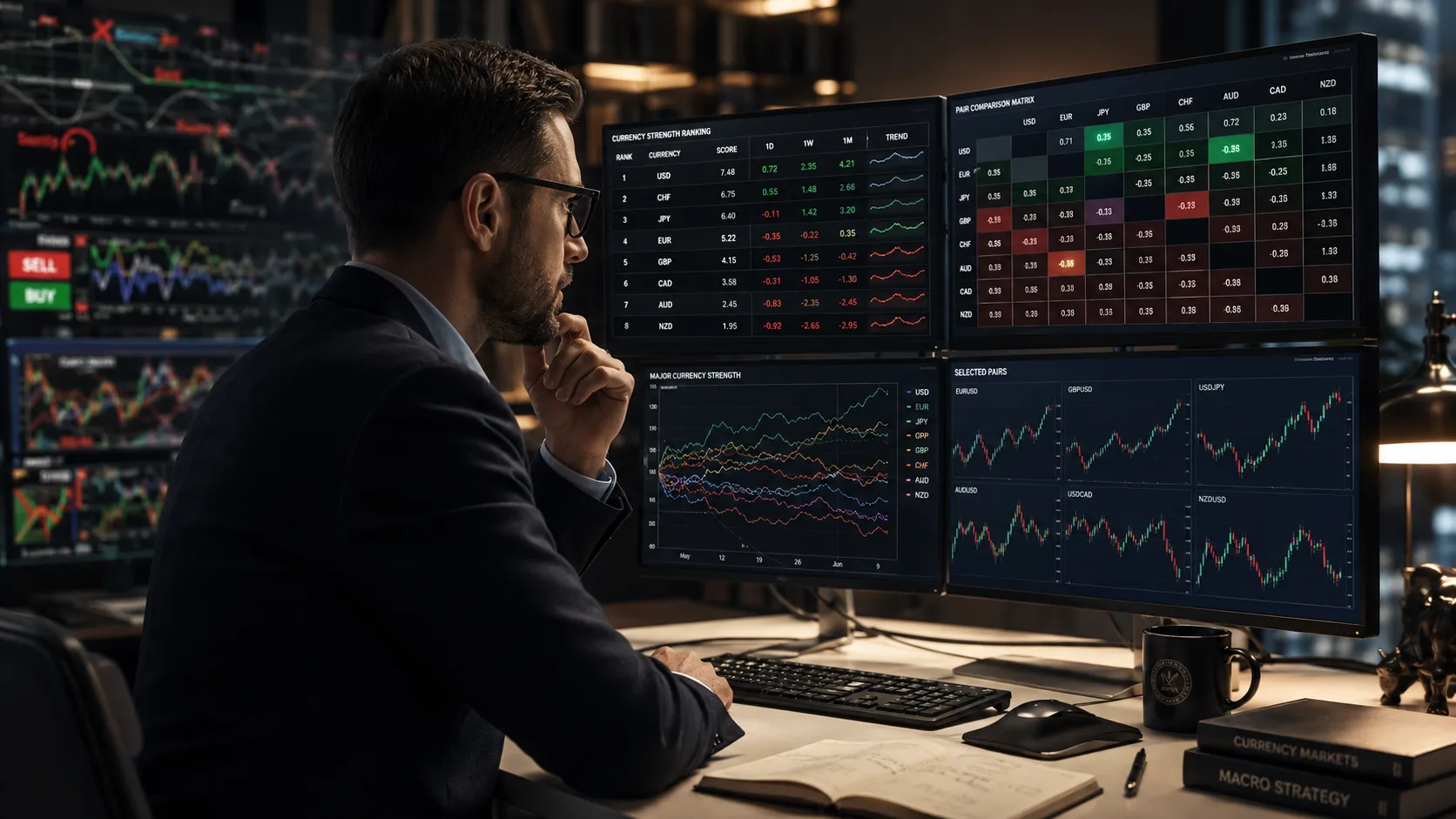
Why Currency Strength Is More Important Than Random Signals
Currency strength matters more than random signals because forex trading is relative and clean opportunities come from strong versus weak currencies.

How We Combine Macro Data With Technical Execution
Combining macro data with technical execution helps traders align market context, sector leadership, timing, volume, stops, and position size.
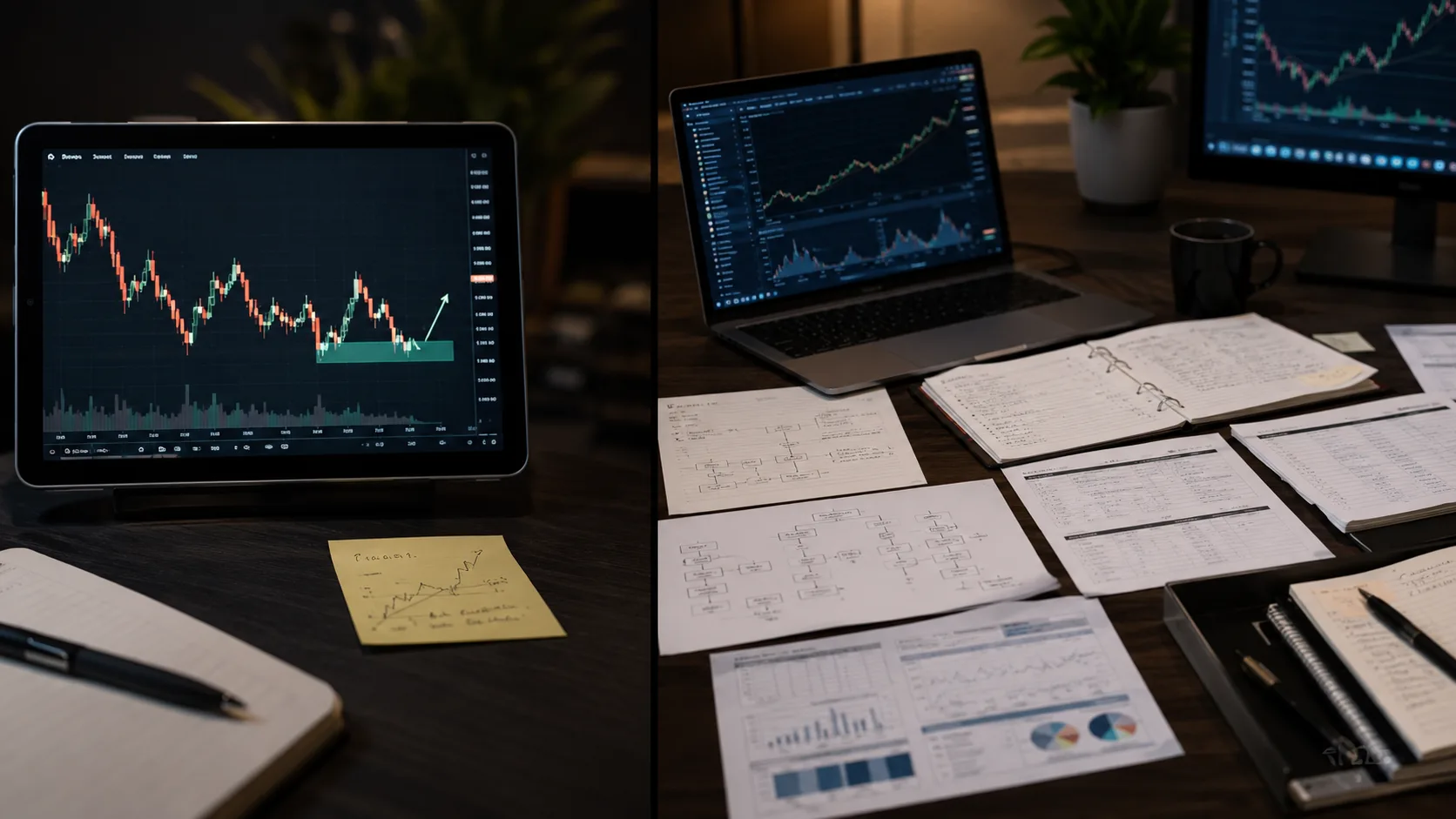
The Difference Between a Trade Idea and a Trading System
A trade idea and trading system are different. One is a hypothesis, the other is a structured framework for execution and risk.
Risk Management
A trading edge means little without controlled risk. Learn about position sizing, drawdowns, portfolio exposure, stop placement, risk-to-reward, and practical frameworks for protecting trading capital.

Best Trading Strategies for Prop Firm Evaluation Accounts
Trading strategies for evaluation accounts should match drawdown rules, use clear stops, and avoid fragile recovery systems.
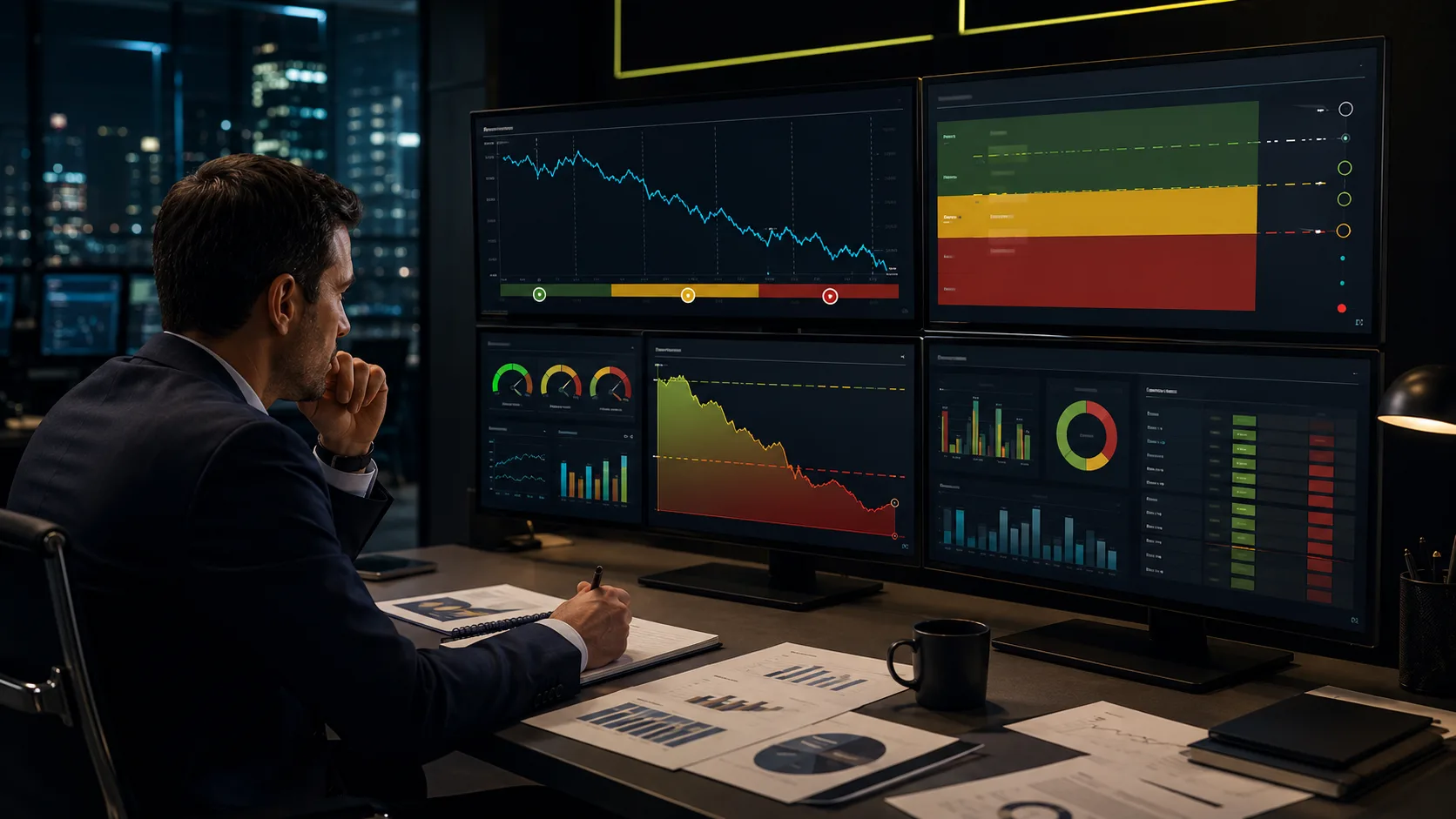
Daily Drawdown Rules Explained in Simple Terms
Daily drawdown rules protect funded accounts from one bad day, so traders must understand daily loss limits before entering trades.

How Prop Trading Really Works for Retail Traders
Prop trading for retail traders can improve capital efficiency for small accounts when risk rules and position sizing come first.

How to Avoid Overleveraging in Prop Firm Trading
Avoid overleveraging by sizing from drawdown limits, controlling correlated exposure, and treating leverage as a tool.

How to Build a Prop Firm Trading Plan With Real Risk Control
A funded trading plan needs real risk control, including daily stops, drawdown math, position sizing, strategy rules, and review.

How to Trade a Prop Firm Account Without Gambling
Trade a funded account without gambling by using small risk, daily stops, clear setups, and a business-first execution plan.

The Difference Between Passing a Challenge and Staying Funded
Staying funded requires more than passing a challenge because long-term payouts depend on consistency, discipline, and risk control.

The Risk Rules That Matter Most in Funded Trading
Funded trading risk rules matter because daily drawdown, maximum loss, correlation, leverage, and position sizing decide survival.
Technical Analysis
Learn how to analyze market structure without filling your charts with unnecessary noise. We cover price action, trend analysis, volatility, indicators, support and resistance, and quantitative technical methods.
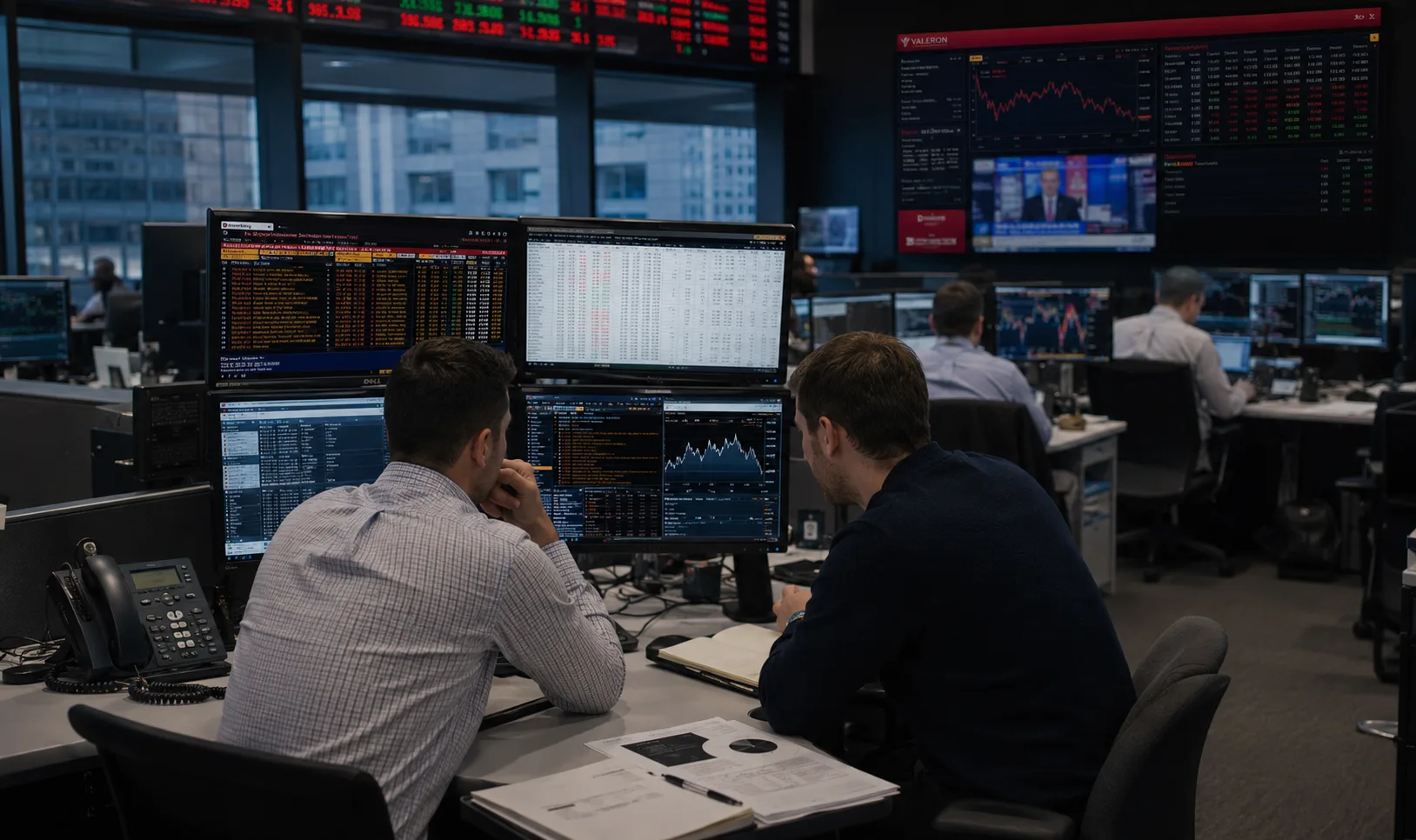
How Sector Strength Helps Find Better Stock Trades
Sector strength helps find better stock trades by showing where capital is flowing before traders select individual names and technical entries.
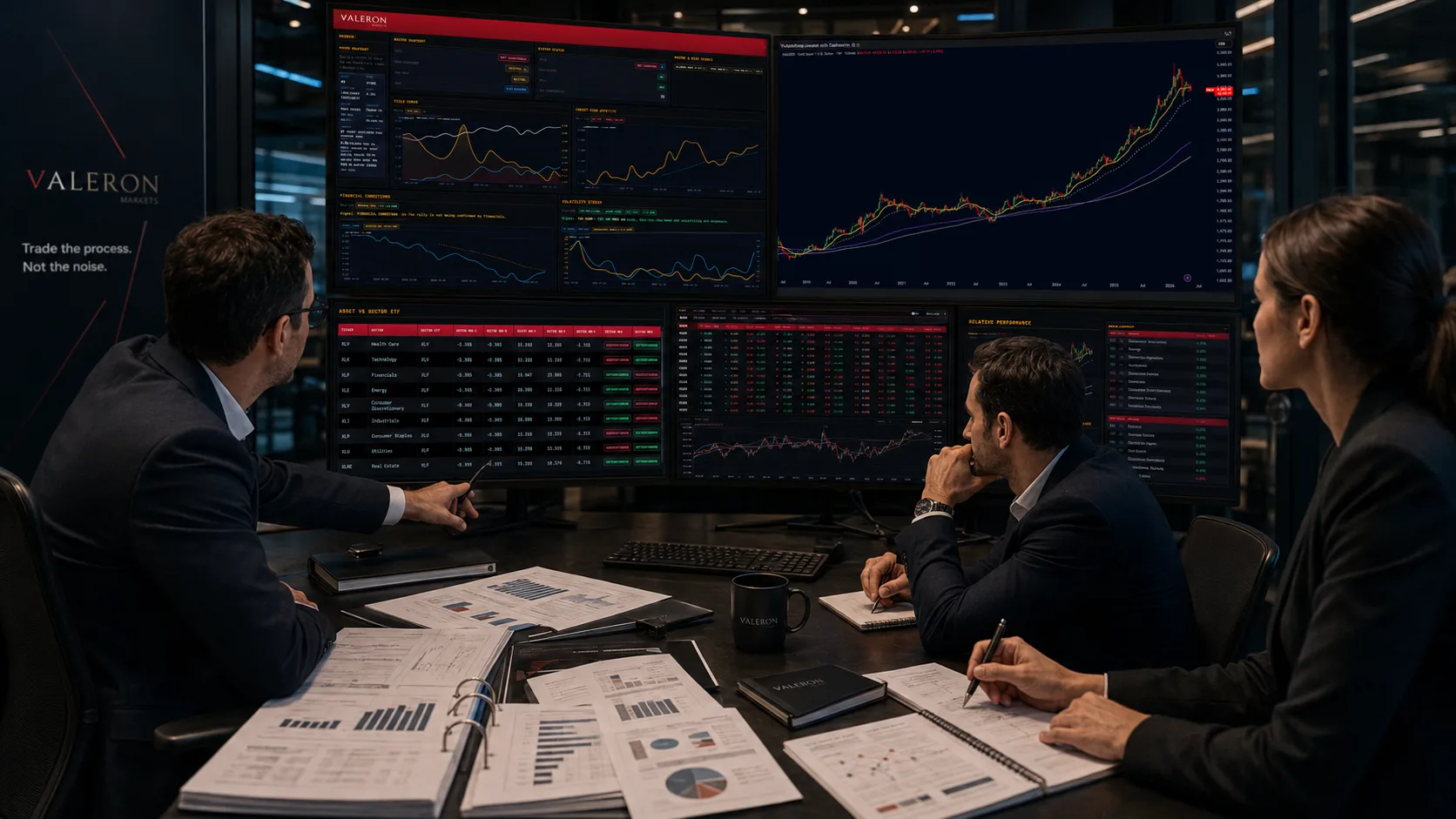
How to Analyze Stocks Like a Trader, Not a Fanboy
Analyze stocks like a trader by separating admiration from execution, using macro context, sector strength, structure, volume, and risk.
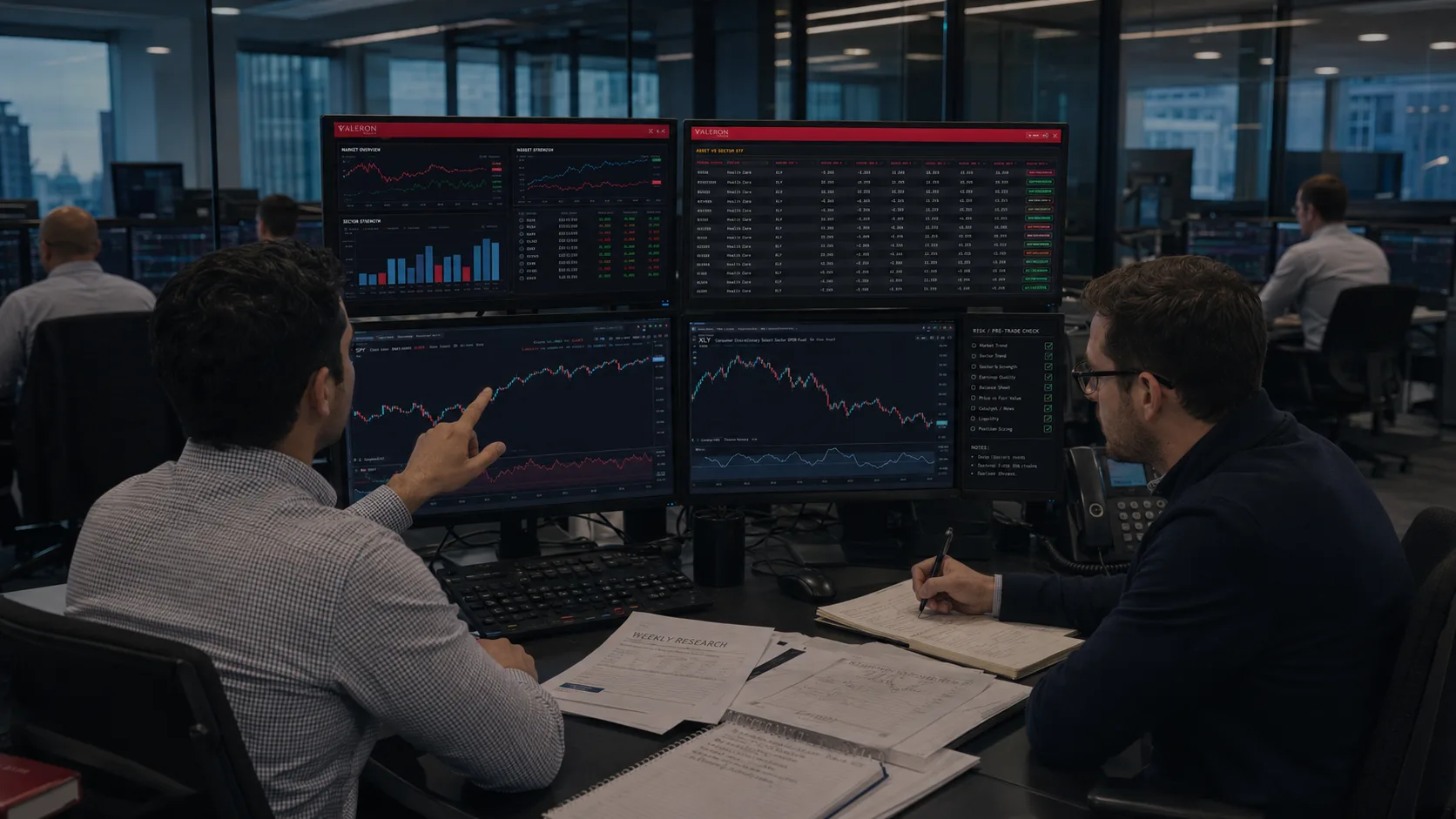
How to Avoid Weak Stocks in Strong Markets
Avoid weak stocks in strong markets by using relative strength, sector comparison, trend filters, volume, and clear rejection of laggards.

How to Find Stocks With Momentum and Structure
Stocks with momentum and structure combine relative strength, clean trend behavior, volume confirmation, and technical levels traders can manage.
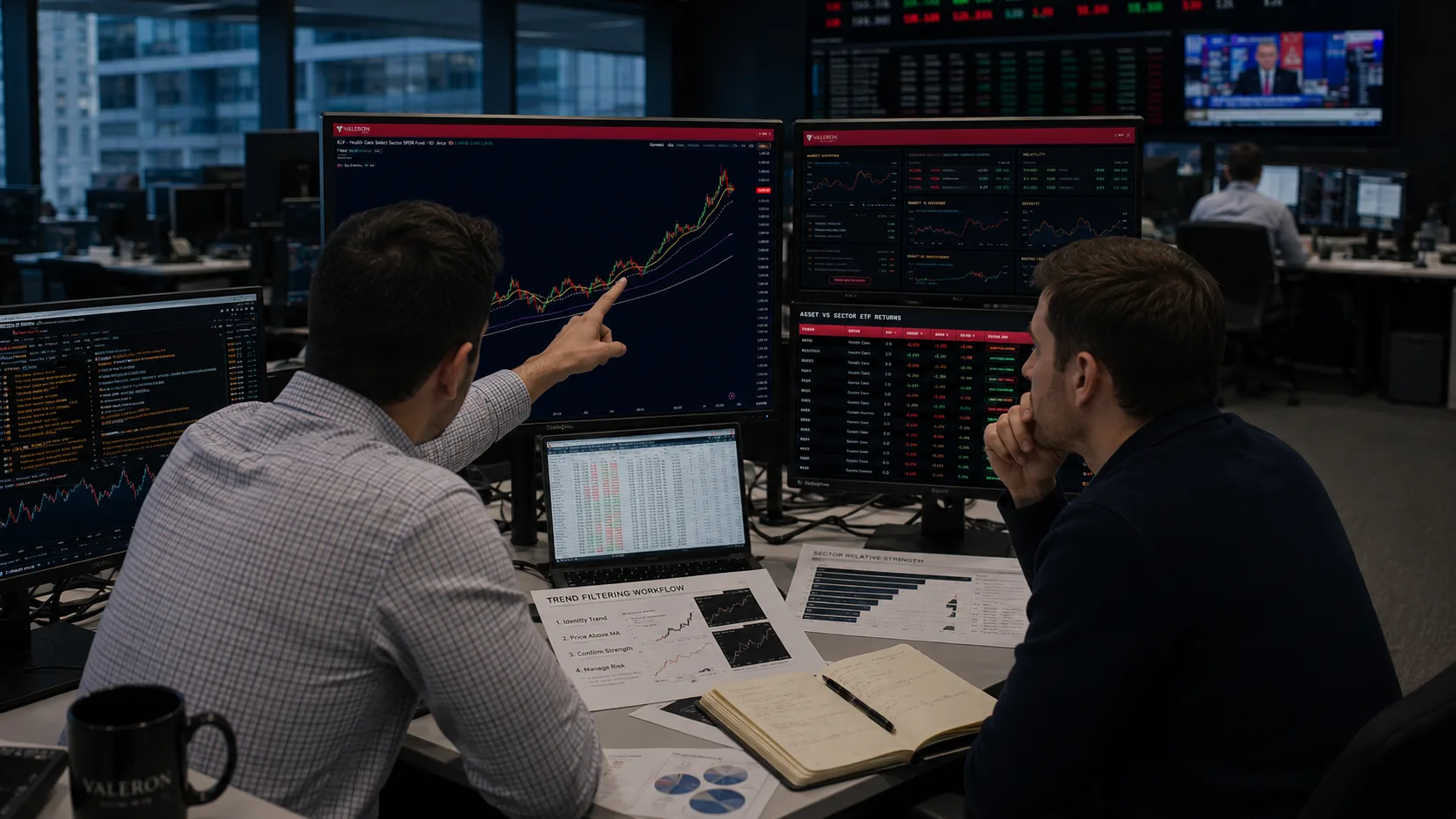
How to Use Moving Averages for Stock Trend Filtering
Moving averages for stock trend filtering help traders define trend direction, avoid weak stocks, and build cleaner stock selection rules.
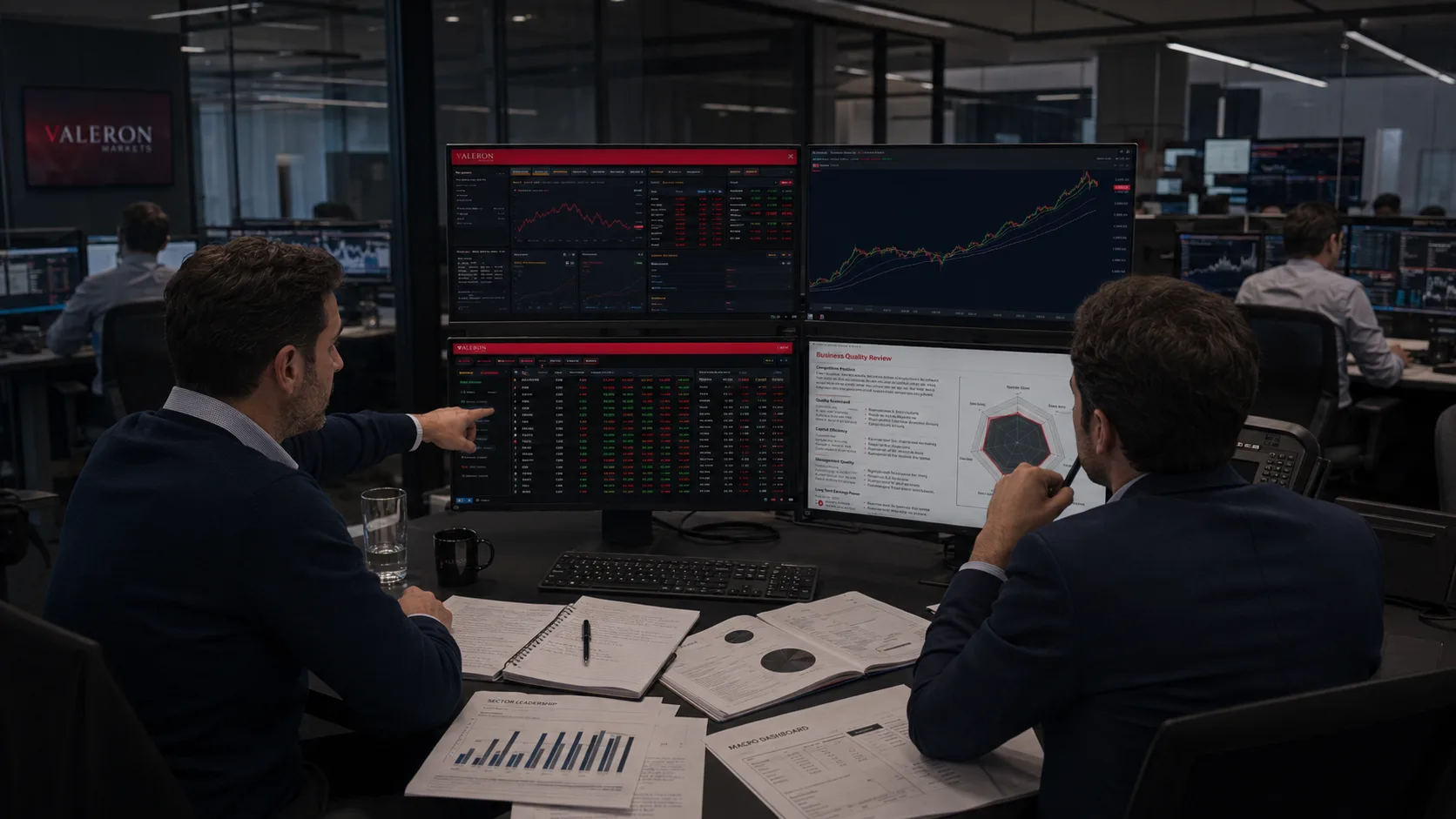
The Difference Between a Good Company and a Good Trade
A good company and a good trade are different because business quality does not replace timing, structure, valuation, momentum, or risk control.
The Valeron Framework for Stock Trade Selection
The Valeron framework for stock trade selection combines macro context, sector strength, relative performance, technical structure, volume, and risk.
What Traders Should Watch Before Buying Growth Stocks
Before buying growth stocks, traders should watch rates, macro conditions, sector strength, valuation pressure, momentum, volume, and risk.
FX Cross Rates
FX Heatmap
Forex Trading
Explore forex trading research, strategies, and market analysis covering major and minor currency pairs. Learn how macroeconomic conditions, interest rates, monetary policy, technical structure, and risk management can help you navigate the global FX market with a more structured approach.
Stock Heatmap by Volume (1 Month)

Wealth
ETF Heatmap by Volume (1 Month)

Market Analysis

When Commodities Become Risk-On or Risk-Off Assets
Commodities risk-on risk-off behavior depends on whether price moves come from growth demand, inflation pressure, supply shocks, fear, or liquidity stress.
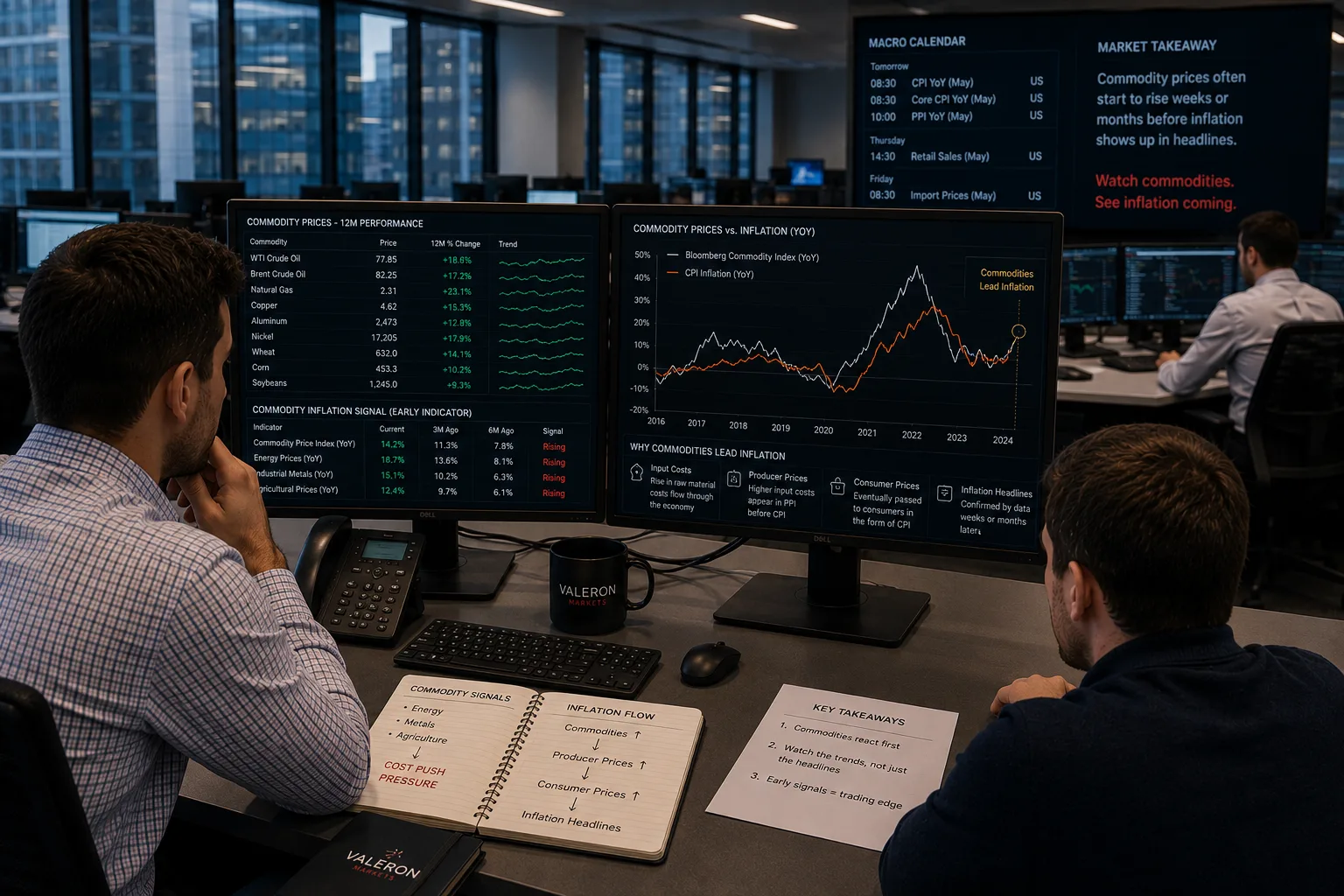
Why Commodities Can Signal Inflation Pressure Before Headlines
Commodities signal inflation pressure before headlines because oil, metals, food, and energy costs often move before official reports confirm the trend.
Why Gold Moves With Rates, Inflation, and Fear
Why gold moves depends on real rates, inflation expectations, DXY, financial stress, fear, and technical momentum.
How Sector Strength Helps Find Better Stock Trades
Sector strength helps find better stock trades by showing where capital is flowing before traders select individual names and technical entries.
Why Strong Stocks Can Still Collapse in Bad Macro Conditions
Strong stocks can still collapse in bad macro conditions when rates rise, liquidity tightens, sector leadership breaks, or risk appetite disappears.
Forex Trading Explained: What Actually Moves Currency Pairs
Forex trading explained through the real forces behind currency pairs: interest rates, inflation, growth, risk appetite, DXY, and technical execution.
How DXY Impacts Major Forex Pairs
DXY impacts forex pairs by showing broad US dollar strength or weakness and helping traders filter major forex setups.
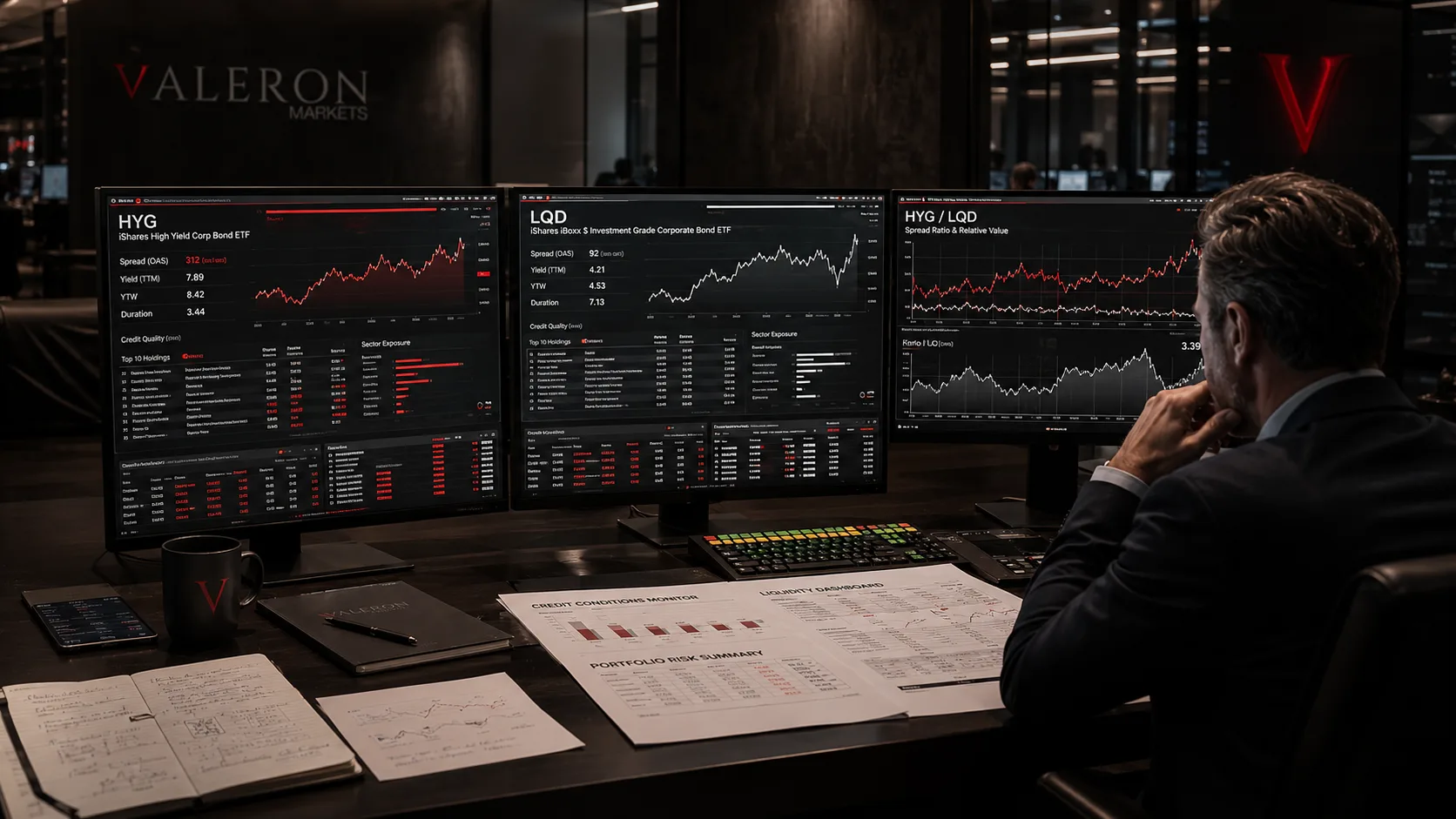
How Valeron Reads Credit Risk Through HYG and LQD
Valeron reads credit risk through HYG and LQD by comparing high-yield appetite against investment-grade safety and market stress.
Trading
How Prop Trading Really Works for Retail Traders
Prop trading for retail traders can improve capital efficiency for small accounts when risk rules and position sizing come first.
How to Avoid Overleveraging in Prop Firm Trading
Avoid overleveraging by sizing from drawdown limits, controlling correlated exposure, and treating leverage as a tool.
How to Trade a Prop Firm Account Without Gambling
Trade a funded account without gambling by using small risk, daily stops, clear setups, and a business-first execution plan.
The Difference Between Passing a Challenge and Staying Funded
Staying funded requires more than passing a challenge because long-term payouts depend on consistency, discipline, and risk control.
The Risk Rules That Matter Most in Funded Trading
Funded trading risk rules matter because daily drawdown, maximum loss, correlation, leverage, and position sizing decide survival.

Why Low Risk Per Trade Is Smarter in Prop Firm Challenges
Low risk per trade gives evaluation traders more survival time, better drawdown control, and a cleaner path toward consistency.

Why Most Traders Fail Prop Firm Challenges
Traders fail prop challenges because they oversize, chase profit targets, ignore daily drawdown, and misunderstand funded account risk math.
Forex Trading Explained: What Actually Moves Currency Pairs
Forex trading explained through the real forces behind currency pairs: interest rates, inflation, growth, risk appetite, DXY, and technical execution.
Investments

Why Most People Stay Broke Even When They Earn More
Many people stay broke even when they earn more because higher income cannot fix weak discipline, lifestyle inflation, and poor allocation.

Why Wealth Requires Patience, Aggression, and Risk Control
Wealth requires patience, aggression, and risk control because capital growth needs time, bold action, and downside protection.
Valeron Research
Economic Calendar